
Introduction
This summary presents practical English language learning through everyday conversations and scenarios. Covering topics like ordering coffee, managing morning routines, navigating airports, handling medical appointments, and grocery shopping, it provides learners with useful phrases, cultural insights, and confidence-building strategies.
Overcoming Language Anxiety: Coffee Shop Conversations
- Ordering with Confidence: Use a simple formula: greet warmly, name your drink, specify size, and mention extras. For example, "Hello, I'd like a tall vanilla oat milk latte, please." For a more detailed guide, refer to How to Order Coffee in English: Easy Cafe Conversation Guide.
- Common Mistakes: Learners often struggle with singular/plural verbs (he drinks vs he drink) and polite requests. Practice calm, complete sentences and polite forms like "Can I have..." or "Could I get...".
- Coffee Culture Insights: Coffee beans come from coffee cherries in warm countries. Roasting changes flavor but not caffeine significantly. Espresso is the base for many drinks, made by forcing hot water through finely ground beans.
- Building Vocabulary: Learn adjectives for taste and coffee types, sizes, and milk alternatives.
Navigating Travel: Airport English Essentials
- Check-in: Prepare passport, ticket, and be mindful of luggage weight limits. Know phrases to ask about fees or move items.
- Security: Remember to remove laptops and liquids must be under 100ml. Use trays for shoes and belts.
- Gate Changes: Follow airport signs and ask staff for directions.
- Duty-Free Shopping: Ask for recommendations and deals politely.
- Boarding & Onboard: Understand seating arrangements and typical flight durations. Use phrases to request meals or assistance.
For more travel-related conversations, consider Essential English Conversations for Travel and Daily Life and Everyday English Conversations: Travel, Shopping, Dining & Social Situations.
Managing Daily Life: Routines and Tasks
- Morning Routines: Prepare bags, clothes, and breakfast the night before to reduce stress.
- Cleaning & Household: Learn vocabulary for chores like laundry sorting, dishwashing, mopping, and waste separation (recycling rules).
- Grocery Shopping: Use lists, ask for assistance, understand product labels, and compare prices using unit costs. For practical shopping dialogues, see Everyday Conversations: Shopping, Travel, and Social Interactions Explained.
Health and Doctor Visits
- Making Appointments: Give clear information about symptoms and personal details.
- Describing Symptoms: Use simple phrases to describe pain, duration, and related effects.
- Understanding Diagnosis: Learn about common conditions like tension headaches and their causes.
- Following Medical Advice: Know how to ask about medication usage, side effects, and lifestyle changes.
Tips for Effective English Learning in Real Life
- Break down complex sentences into simple parts.
- Practice common conversational patterns.
- Use real-life contexts like cafes, airports, and shops.
- Accept mistakes as part of learning.
- Prepare short scripts or formulas for frequent situations.
- Focus on clarity and politeness.
Conclusion
Everyday conversations in English become manageable with practice, real examples, and clear strategies. Embrace small victories, prepare ahead, and engage with native speakers patiently. This approach builds both language skills and confidence for diverse daily situations, from coffee orders to medical visits and travel arrangements.
For further practical conversation examples, explore Everyday English Conversations: Practical Dialogues & Situations.
speaking English after a bad morning. Nico, you look upset this morning. >> I had a terrible coffee moment.
>> What happened? Sit down first. >> I went to the cafe downstairs. >> The busy one near the corner.
>> Yes, I wanted to order in English. >> That was a brave choice. It did not feel brave. It felt awful.
>> Tell me slowly what went wrong. >> The cashier spoke fast. Then people waited behind me. My face got hot.
>> That can make anyone nervous. >> I forgot simple words. I said half a sentence, then I stopped.
>> Did the cashier understand anything? a little but I felt stupid. >> You are not stupid, Nico.
>> I keep thinking about it. >> Let us fix one small thing. >> Only one thing, please.
>> Good. Tell me your morning routine. >> I wake up at 7. >> Clear and natural. What next?
>> I drink coffee before work. >> Perfect. Now talk about your brother. He drink coffee before work.
>> Very close. Say he drinks. >> He drinks coffee before work. >> Exactly. I drink. He drinks.
>> I always forget that small s. >> Many learners forget it. It is common. >> What about my sister?
>> Try it. Use wake up. She wakes up early. >> Yes, that sounded very natural.
>> So, I wake up. She wakes up. >> Right. Simple and clear. >> Can we practice the coffee order?
>> Of course. Say it calmly. >> Can I have coffee with milk, please? >> Excellent. That is polite and complete.
>> My voice still feels small. Small voices can still be clear. >> Tomorrow I will try again.
>> Good. One coffee, one small victory. A small mistake at the office. Leo, you left your tea untouched.
>> I am not thinking about tea. >> That sounds serious. What happened? >> I made a mistake near reception. Was it
about a customer? >> Yes, he asked about our manager. I answered quickly then I heard myself.
>> What did you say? >> I said he work upstairs. >> Ah, I understand.
>> The customer smiled and said he works. >> That correction probably felt uncomfortable.
>> Very uncomfortable. I wanted to hide. >> Leo, that mistake is extremely common. >> But I know the rule.
>> Knowing and speaking are different skills. >> That makes sense, but it hurts.
>> Let us practice with office sentences. >> Okay. But not like school. >> Not like school. Like real work.
>> Good. I can handle that. Say, I work downstairs. >> I work downstairs.
>> Now, our manager, >> he works upstairs. >> Perfect. That was the sentence.
>> It sounds easy now >> because nobody is waiting behind you. >> Pressure makes my English disappear.
>> Then slow down before the verb. >> Slow down before the verb. Good. Try another one.
>> I eat lunch at 1. >> Now talk about Anna. >> She eats lunch at 1.
>> Great. You added the s. >> I work. He works. >> I eat. She eats.
>> I answer emails. He answers calls. >> That was excellent. >> I feel less foolish now. You were never
foolish. You were learning in public. >> Public learning feels dangerous. >> It feels dangerous, but it works.
>> Thank you for making it normal. >> Good. Now, drink your tea. >> The tea waits. It understands me.
>> Asking questions at a hotel. Hi, I have a reservation tonight. >> Welcome. May I have your name?
>> Maya Evans. I booked online yesterday. >> Thank you. I found your booking. >> Great. I also have some questions.
>> Of course. Ask anything you need. >> I may say them a little wrong. >> That is okay. I will understand.
>> Do the hotel have breakfast? >> I understand. more natural is, "Does the hotel have
breakfast?" >> Does the hotel have breakfast? >> Yes, it does. Breakfast starts at 7.
>> Good. I was hoping for breakfast. >> Travel mornings are easier with food. >> Do my room have Wi-Fi?
>> Try. Does my room have Wi-Fi? Does my room have Wi-Fi? >> Yes, every room has free Wi-Fi.
>> I need it for messages home. >> The password is on your key card. >> Thank you. One more question.
>> Sure, you are doing well. >> Do the gym open early? >> Say, does the gym open early?
Does the gym open early? >> Yes, it opens at 6. >> So, does is for one thing.
>> Exactly. One hotel, one room, one gym. >> And do is for many people? >> Yes. Do guests need key cards?
>> Do guests need key cards? >> Perfect. Guests means more than one. >> This feels useful, not like grammar
class. Good >> real questions help more. >> Can I check in now?
>> Yes, your room is ready. >> Does the room face the street? >> Excellent question. Yes, it does.
>> I remembered it that time >> you did. Here is your key card. >> Thank you for helping kindly.
>> You are welcome, Miss Evans. Enjoy your stay >> at the library desk. Hi, I need help
with English books. >> Of course. What kind of books? >> I need many information. I want simple
things. I get tired with hard books. >> I understand. Say a lot of information. >> A lot of information.
>> Yes. Information is not countable. >> Not countable means no informations. >> Exactly. We do not say informations.
>> I said it yesterday in class. >> That is a common learner mistake. My teacher looked kind but confused.
>> Teachers have polite confused faces. >> Yes, exactly. I saw one. >> Here books are countable.
>> So I can say many books. >> Yes, many books is correct. >> But not many information.
>> Right. Say some information. I need some information about grammar. >> Perfect. That sounds natural.
>> Can you recommend an easy book? >> Yes. What level are you? >> A2, but sometimes I feel A1.
>> That is normal on tired days. >> I want stories with short chapters. >> This shelf has A2 readers.
>> These look less scary. Good books should invite you in. >> Does this book have audio?
>> Yes, and simple exercises. >> Great. I need listening practice, too. >> Then this one is useful.
>> Can I borrow many books? >> Yes, up to five books. >> But I need a lot of time.
>> Excellent. Time is also not countable. A lot of time, many books. >> Exactly. You got it.
>> Thank you. This felt easy. >> You asked clearly and that matters. >> Meeting someone at the bus stop. You
keep checking that bus sign. >> Yes, I am meeting my friend. >> Do you need help reading it?
>> Maybe. The times look confusing. Where are you going? >> I meet him in Monday at the station.
>> I understand. Say on Monday. >> On Monday, not in Monday. >> Right. We use on with days.
>> I meet him on Monday. >> Good. What time? >> At 5:00.
>> Perfect. We use at with times. >> On Monday at 5:00. >> Nice. Where exactly?
>> At the station. >> Great. That sounds natural. Now >> I always choose the wrong small word.
>> Those small words are tricky. >> They make me nervous. Yesterday I said everything wrong. Then my friend
corrected me. Correction can feel heavy but you are learning. >> Can I say in the morning?
>> Yes, in the morning is correct. >> So on Monday at 5 in the morning. >> Yes. If it is morning,
>> it is evening thankfully. >> Then say in the evening >> on Monday at 5 in the evening. Perfect.
>> Is this bus going to the station? >> Yes, but take bus 16. >> Does it stop near the station?
>> Yes, right outside the entrance. >> Thank you. I feel less lost. >> You are not lost. You asked early.
>> That is new for me. >> New habits start like that. on Monday at 5 at the station.
>> Exactly. Your bus is coming now. Ordering food politely. Give me a sandwich and water.
>> I can do that. May I give one small tip first? >> Did I sound rude?
>> A little direct, but I know you did not mean it. Oh, no. I was just hungry.
>> Hunger makes many people direct. >> How should I say it? >> Say, "Can I have a sandwich, please?"
>> Can I have a sandwich, please? >> Perfect. That sounds friendly. >> And for water.
>> Could I get some water, please? >> Could I get some water, please? Excellent.
Very natural >> in my language. Direct is normal. >> That happens. English cafes like soft
requests. >> Soft requests. I like that idea. >> Can I have and could I get are soft.
>> I want to sound polite. I just forget when I am nervous. >> You can practice right now. Can I have
tomato soup, please? >> Yes, and that sounded great. >> Could I get a small coffee, too?
>> Very good. Again, >> is there a quiet table? >> Try asking with could
>> I sit by the window? >> Yes, that table is free. >> This is useful. It feels real
>> because you are actually ordering lunch. >> How much is everything? $12.50. >> Can I pay after I eat?
>> Yes, you can pay later. >> Thank you for correcting me kindly. >> No problem. Your meaning was clear.
>> But now it sounds better. >> Exactly. Clear and polite. >> Could I get the receipt later, too?
>> Perfect request. Lunch is coming soon. >> Shopping for clothes. This jacket is more cheap, right?
>> I understand. More natural is cheaper. >> Cheaper. This jacket is cheaper. >> Exactly. You said it well.
>> I always say more cheap. >> Many learners do. It still makes sense. >> But I want to sound natural. Then use
cheaper for short words. >> Short words >> cheap becomes cheaper. Big becomes
bigger. >> So small becomes smaller. >> Perfect. You already see the pattern.
>> This blue jacket is cheaper. It is also smaller. Maybe too small. >> That was a very good comparison.
The black jacket is more expensive. >> Yes, because expensive is longer. >> So more expensive is correct.
>> Correct. Not expensiver. >> Expensiver sounds funny.
>> It does, but English has many funny traps. >> Can I try the blue one?
>> Of course. The fitting room is there. The arms feel tight. I cannot move comfortably.
>> Then you need a bigger size. >> Bigger size, not more big size. >> Exactly. You corrected yourself.
>> That feels good. >> Try this. Medium size. >> This is better, not goodter. Right.
>> Right. Better is special. >> The medium is better. and cheaper. >> Great sentence.
>> What about the black jacket? >> It fits well but costs more. >> Then the blue jacket is the best choice.
>> Best is another special word. >> Good, better, best. >> Exactly.
>> I came for clothes and learned English. That is efficient shopping >> at the pharmacy.
>> Hi, how can I help today? >> I need medicine for headache. >> I understand. Say, I have a headache.
>> I have a headache. >> Good. That sounds more natural. >> It started this morning. My head feels
heavy. I still need to work later. >> That sounds uncomfortable. Any fever?
>> No fever, just the headache. >> Then you may need a painkiller. >> A painkiller. Not painkiller only.
>> Right. We usually say a painkiller. >> Articles are hard for me. They are small but important.
>> I forget a and the >> is very common. >> What should I take?
>> This medicine can help with a headache. >> How often do I take it? >> Read the instructions here.
>> The instructions because they are specific. Exactly the instructions on this box.
>> I understand that. >> Take one tablet with water. >> After food.
>> Yes, after food is safer. >> I also have allergy sometimes. >> Say an allergy.
Allergy begins with a vowel sound. I have an allergy sometimes. >> Good. What are you allergic to?
>> Dust mostly, not medicine. >> Good to know. >> When should I see doctor?
>> Say, see a doctor. >> When should I see a doctor? If pain gets worse or lasts long,
>> a headache, a painkiller, an allergy, v instructions. >> Excellent. You learned the useful parts.
>> And hopefully my headache leaves. >> I hope so, too. Drink water and rest. A phone call with a friend. Jason, I am
usually going by bus. >> You mean I usually go by bus. >> Usually go, not am going.
>> Right. Usually talks about habits. >> I knew it sounded strange. >> What are you doing now?
>> I am walking to the station now. >> Perfect. That is happening now. So now uses am walking.
>> Yes. Habits use go. >> I usually go by bus. >> Exactly. That is your normal habit.
>> But today I am walking. >> Perfect. Again, >> this makes more sense in real life.
>> Real life is the best grammar board. >> I work every weekday. >> Great habit sentence. But I am not
working right now. >> Right. You are walking now. >> I am passing the bakery. It smells
amazing. I want to stop. >> That is present continuous and breakfast danger.
>> You always make grammar funny. >> It helps you remember. >> I usually eat breakfast at home.
>> Good habit sentence. Today I am buying bread outside. >> Excellent. Different today happening
now. >> What are you doing now? >> I am making coffee.
>> And usually >> I usually make coffee at 8. >> I understand the difference now.
>> Good. Use it for our plan. >> I usually finish work at 5. >> Nice habit sentence. Today I am meeting
you at 6:00. >> Perfect. Dinner plan and grammar win. >> I feel proud on the phone.
>> You should. You fixed it naturally. >> See you at 6, Jason. >> See you then. Do not buy all the bread.
>> Talking about yesterday. >> Your face looks very sunburned. >> I go to the beach yesterday. Ah, you
went to the beach yesterday. >> Went. I knew that word. >> It disappears when we talk quickly.
>> Exactly. Yesterday was nice but tiring. >> Tell me what happened. Use simple English.
>> I went to the beach. I meet my cousin there. We sit near the water. >> Good story. Small correction. I met my
cousin there. >> I met my cousin there. >> Perfect. And we sat near the water.
>> We sat near the water. >> Nice. What did you do next? >> We buy lunch from a small truck.
>> Yesterday you bought lunch from a truck. >> We bought lunch from a truck. >> Great. What kind of lunch? Fish tacos.
They were amazing. >> That sentence was perfect. >> Really? No past mistake there.
>> No, were is already past. >> Good. I need one win. >> You have more than one. Continue.
>> After lunch, I see many boats. >> You saw many boats. >> I saw many boats.
>> Excellent. I also take photos for my mother. >> You took photos for your mother.
>> Took. English past tense changes a lot. >> Yes, but stories help you remember. >> Let me say it again.
>> Go ahead. >> I went to the beach. I met my cousin. We bought lunch.
>> Very good. Add one more sentence. >> We saw boats and took photos. That sounded natural.
>> I like learning through my weekend. >> Life gives better examples than worksheets.
>> Today, I feel less afraid to tell stories. >> Good. Tomorrow, tell me another one. The
challenge begins. Daniel, I almost ordered groceries again.
>> Again? You promised a real shop. I know, but I panicked. >> What scared you this time?
>> The supermarket is huge. >> Huge? Yes. Impossible? No. >> I hate asking strangers questions.
>> You ask me questions easily. >> You do not count. >> Why not? I am strange.
>> You are friendly. Strange. >> That is my best kind. I need food for one week.
>> Then this is useful practice. >> I usually hide behind apps. >> Apps are easy but silent.
>> Exactly. My English stays weak. >> So today, no app. >> No app. Real people.
>> That is a strong challenge. >> My hands already feel cold. >> Cold hands. Brave plan.
>> What if I forget words? >> Point, smile, and ask slowly. >> That sounds simple.
>> Simple works in real life. >> I made a shopping list. >> Good. Show me quickly.
>> Fruit, bread, pasta, yogurt, rice. >> Nice. Add one fun thing. >> Fun thing.
>> Yes. Confidence needs dessert. >> Maybe cookies if I survive. >> You will survive the supermarket.
>> Do not laugh at me. >> I am cheering, not laughing. >> Okay. I am going inside.
>> Message me after isle one. No, I must do it alone. >> Fair. Go be brave, Emma.
>> Entering the supermarket. Excuse me. Is this the entrance? >> Yes, you found it.
>> Good, because I feel lost already. >> First time in this store. >> Yes, it is much bigger.
>> Bigger than expected. much bigger than expected. >> Do not worry. Start slowly.
>> I need groceries for one week. >> Great. Do you have a list? >> Yes, but it looks small now.
>> Lists always look small here. >> Where should I start? >> Start with fresh produce.
>> Produce means fruit and vegetables, right? >> Exactly. It is straight ahead.
>> I see many green signs. >> Green signs show fresh food areas. >> Where is the bakery?
>> Bakery is past the apples >> and pasta. >> Isisle six near sauces.
>> Good. I will forget that. >> Take a store map here. >> Thank you. That helps.
The aisles have big numbers. >> I can read numbers. Well, >> then you already have power.
>> That makes me laugh. >> Laughter helps nervous shoers. >> Do people ask you often?
>> All day, every day. >> So, I am not annoying. >> Not at all. Emma,
>> you used my name kindly. Names make big stores smaller. >> I like that.
>> Start with one section only. >> Produce first, then bakery. >> Perfect. You have a plan.
>> I feel less lost now. >> Good. One aisle at a time. >> Choosing fresh produce.
Oh no, these avocados are hard. >> Planning guacamole tonight. Maybe, but I am confused.
>> Avocados confuse everyone sometimes. >> I need one ripe today. >> Then press gently here.
>> Like this. >> Softer, but not too soft. >> This one feels like a rock.
>> That one needs three days. >> This one feels very soft. >> Too soft. It may be brown. So, I need
middle soft. >> Exactly. Try this one. >> Oh, that feels better.
>> Good. That is tonight's avocado. >> Thank you. I was guessing badly. >> Guessing is part of shopping.
>> What about bananas? >> Yellow for today, green for later. >> I need breakfast all week.
>> Take some yellow, some green. >> Smart. They will last longer. >> You are learning fast.
>> Apples look easier. >> Choose firm apples. No soft spots. >> Should I smell them
>> for peaches? Yes. Apples less important. >> This is like a class. >> A delicious class.
>> I moved here recently. >> New city, new supermarket. >> Yes. And new English pressure. You are
doing fine. >> I feel nervous asking questions. >> But you asked me well
>> because you smiled first. >> Then smile first next time. >> That is good advice.
>> Take two avocados. >> One ripe, one hard. >> Perfect weekly planning.
>> Thank you, George. >> Enjoy your brave grocery trip >> at the bakery section.
Ben, why are there 20 breads? >> Because bread likes choices. >> I only need breakfast bread.
>> And maybe sandwich bread. >> Yes, but one loaf only. >> Then choose carefully.
>> White bread looks soft. >> Soft but less filling. >> Whole grain looks serious. serious, but
healthy and hearty. >> What does hearty mean? >> It keeps you full longer.
>> That sounds useful >> for breakfast. Very useful. >> What about sourdough?
>> Stronger taste. Chewy crust. >> Chewy crust sounds difficult. >> Delicious. Difficult. Maybe
>> I need easy bread. Try this whole grain loaf. >> Does it last a week?
>> About 5 days if sealed. >> I live alone. >> Then freeze half the loaf.
>> Freeze bread. Really? >> Yes. Then toast slices later. >> That saves money.
>> And prevent sad mold. >> Sad mold is a bad surprise. >> Very bad. Especially Monday morning. Do
you have small rolls? >> Yes, these six-pack rolls. >> Are they good for soup?
>> Perfect. With soup or eggs. >> Now I want soup, too. >> Supermarkets do that to people.
>> My list is growing. >> Lists are living things. >> I will take the loaf.
>> Good choice, Emma. >> And maybe rolls. >> Confidence bread and backup bread.
>> Exactly. I like that. Bakery section completed successfully. >> Finding pasta sauce. I found tomato
cans. >> Good. What do you need? >> Pasta sauce. But maybe this.
>> That is tomato cans. >> So it is not sauce. >> Not ready sauce. No.
>> I almost bought six cans. That would be very tomatoheavy. >> My dinner would be strange.
>> Maybe interesting but strange. >> Where is actual pasta sauce? >> Two shelves to your right.
>> Oh, I walked past it. >> Happens all the time. >> Why so many jars?
>> Different flavors and brands. >> Tomato basil sounds safe. >> Yes. Simple and popular. Garlic mushroom
sounds nice, too. >> Do you like mushrooms? >> Sometimes, not every day.
>> Then choose tomato basil first. >> What is marinara? >> Simple tomato sauce. Usually no meat.
>> That sounds easy. >> Very easy for quick pasta. >> I want two dinners.
Buy one jar, one pasta box. >> Only one jar. >> One jar makes several meals.
>> Good. My basket is heavy. >> Heavy baskets teach planning. >> I keep changing my plan.
>> That is normal in supermarkets. >> I feel silly asking so much. >> Please don't. Asking saves mistakes.
That is true today. >> Need cheese for pasta. >> Oh yes, I forgot.
>> Parmesan is in the fridge section. >> Another mission. >> A tasty mission.
>> Thanks, Chris. I found dinner. >> And avoided tomato soup pasta. >> Understanding yogurt labels.
Why is yogurt complicated? Because labels love confusing people. >> Greek, plain, lowfat, probiotic.
>> Yes, the yogurt wall speaks strangely. >> I just want breakfast. >> Then start with plain yogurt.
>> Plain means no sugar. >> Usually, yes. Check the label. >> This one says vanilla.
Vanilla is sweeter. >> Sweet sounds nice. >> Nice, but sugar adds up.
>> I am trying to eat better. >> Then plain Greek yogurt works well. >> Why Greek?
>> Thicker, creamier, more protein. >> Protein keeps me full. >> Exactly. Especially in the morning. What
does lowfat mean? >> Less fat, sometimes more sugar. >> So, labels can trick me.
>> Sometimes, yes. Read carefully. >> What does probiotic mean? >> Good bacteria for your stomach.
>> That sounds useful, but strange. >> Food science can sound strange. >> Could I add fruit at home?
>> Yes. Bananas or berries? >> I bought bananas already. >> Perfect. Add honey, too.
>> Then plain yogurt is not boring. >> Exactly. You control sweetness. >> That feels smart.
>> Weekly breakfast solved. >> Do I need a big tub? >> If you eat it daily, yes.
>> This tub feels heavy. >> Heavy but cheaper per serving. I am learning shopping math.
>> Supermarket English and math together. >> My brain is tired. >> But your basket is wiser.
>> Plain Greek yogurt. Then >> strong choice, Emma. >> The cooking sample.
That smell stopped me. >> Good. The stir fry is working. >> It smells better than my plan.
>> What was your plan? Pasta again. Probably twice. >> Pasta is safe but repetitive.
>> I know. I need variety. >> Try this small sample. >> Is it spicy?
>> No, just light soy sauce. >> Okay, I will try it. >> Careful. It is warm.
>> Wow, that is really good. >> Simple ingredients. Easy dinner. >> What is inside? rice, vegetables, egg,
and sauce. >> That sounds possible. >> Very possible. In 10 minutes.
>> 10 minutes sounds magical. >> It feels magical on busy nights. >> Which vegetables did you use?
>> Frozen mixed vegetables. >> Frozen vegetables are okay. >> Yes. Easy and affordable.
>> I thought fresh was always better. Fresh is great, but not always practical. >> That helps my weekly plan.
>> Use cooked rice from yesterday. >> Leftover rice becomes dinner. >> Exactly. Supermarket wisdom.
>> I need eggs, too. >> Eggs are in aisle 12. >> My list changed again.
>> Good shopping adapts. I feel less afraid now >> because you solved problems
>> and tasted dinner first. >> Samples build confidence, too. >> I will buy these vegetables.
>> And the soy sauce. >> Yes, before I forget. >> Your week just got tastier.
>> Comparing brands and prices. My basket looks expensive. >> Let us check it together.
>> I may have chosen badly. >> Not badly. Maybe expensively. >> That sounds very possible.
>> Which item worries you first? >> This famous cereal. >> Try the store brand.
>> Is it much worse? Often it tastes very similar, >> but it costs less.
>> Almost $2 less. >> That matters every week. >> Exactly. Weekly savings grow.
>> What about this pasta? >> Store pasta is fine. >> Same shape, lower price.
>> Yes, good swap. Should I change the sauce, too? >> Maybe compare ingredients first.
>> This one has more sugar. >> Good catch, Emma. >> I caught something.
>> Yes. Label detective moment. >> That makes me proud. >> You should be proud.
>> My price tags still confuse me. >> Look at unit price. >> Unit price.
>> Cost for each ounce. So bigger is not always cheaper. >> Correct. Compare the small numbers.
>> This is secret supermarket math. >> Very useful secret math. >> My basket feels smarter now
>> and probably cheaper. >> I saved on cereal and pasta. >> That pays for your cookies.
>> You saw the cookies. They are sitting proudly on top. >> Confidence needs dessert.
>> I fully support that logic. >> Thank you for helping, Ryan. >> You made smart choices yourself.
>> Buying laundry detergent. Tom, I forgot laundry detergent. >> Good memory. before checkout.
>> This aisle smells very strong. >> Cleaning aisles like making announcements.
>> I need something simple. >> Do you have sensitive skin? >> Sometimes. Yes.
>> Then choose unscented detergent. >> Unscented means no smell. >> Yes. or very little smell.
>> This bottle says fresh ocean. >> That one has strong scent. >> My clothes might smell like waves.
>> Powerful waves maybe too powerful. >> What means sensitive skin? >> Gentler soap. Fewer perfumes.
That sounds better for me. >> This white bottle is gentle. >> It says concentrated.
>> That means use less liquid. >> Less liquid. Same cleaning. >> Exactly. Follow the cap line.
>> I always use too much. >> Many people do. >> Does size matter? Bigger saves money,
but heavier. >> My basket is already heavy. >> Then choose medium size.
>> Medium size sounds realistic. >> Good weekly choice. >> Do I need fabric softener?
>> Not necessary today. >> Thank you for saving me money. >> Happy to help.
I feel less embarrassed asking now. >> You asked clear questions. >> I did, didn't I?
>> Yes, very clear. >> This challenge is working. >> Your English is working, too.
>> That means a lot. >> Now head to checkout. >> Final boss of the supermarket.
>> You are ready, Emma. Checkout and confidence. David, is this lane open? >> Yes, come on over.
>> Great. I avoided self-checkout today. >> Any special reason? >> I wanted speaking practice.
>> Then welcome to checkout class. >> That sounds less scary. >> Did you find everything?
>> Almost. I found more than planned. >> That happens here daily. >> My basket became very ambitious.
>> Ambitious baskets feed people well. >> I hope my budget survives. >> Let us scan and see.
>> I brought reusable bags. >> Great. Place them here. >> Should I pack cold items together?
Yes. Yogurt and vegetables together. >> Detergent away from food. >> Definitely away from food.
>> Good. I am learning. >> You are doing great. >> What is the total?
>> $7840. >> That is lower than expected. >> Store brands helped you. They really
did. >> Do you have rewards card? >> No, I am new here.
>> Want one for free savings? >> Yes, but is it complicated? >> No. Phone number only.
>> Okay, I can do that. >> You saved $4 today. >> $4. Nice surprise.
>> Card or cash? Card, please. >> Tap when ready. >> It worked. Wonderful.
>> Receipt in the bag. >> Yes, please. >> All set, Emma.
>> I did the whole shop. >> You did all by yourself? >> I feel proud and tired.
>> That is real confidence growing. >> Next week, I will come again. See you then, brave shopper.
>> A messy morning at home. Sophie, I slept through both alarms >> again. Mia, your toast is burning.
Oh no, not my breakfast, too. Relax. I already unplugged the toaster. I cannot be late again today. Then stop running
in circles. I still need my work badge first. It is beside your phone. Why is my phone
there? Because you slept holding it again. I checked videos until midnight.
That explains your zombie face. I hate my mornings. Honestly, what makes them feel so awful?
Everything happens at the same time. Clothes, bag, breakfast, messages. Yes. And I skip food.
That is why you feel weak. I only have time for coffee. Coffee is not breakfast, Mia. It feels like breakfast
when rushed. It is a warm panic drink. >> That sounds sadly correct. >> Make one small change tonight. One real
change. >> Only one. What should I do first? >> Put your phone across the room.
>> Then I must stand up. >> Exactly. Your body starts moving. >> What about breakfast?
>> Leave a banana by your bag. >> That sounds almost too simple. >> Simple works when mornings are messy.
>> I wanted a perfect routine. >> Forget perfect. Choose possible. >> Possible sounds kinder.
>> Good. Now take the banana. >> This banana is my rescue plan. >> And your badge is your second rescue.
>> Thank you for saving my morning. >> Tomorrow you save it yourself. >> Missing the bus.
>> No, my bus just left. >> That one was yours, young lady? Yes, and I am late already.
>> Breathe first. Another one will come. >> My manager notices every late morning. >> Then this stop feels heavy today.
>> I left home in a storm. >> Rainstorm or clothes storm? >> Clothes storm. Bag storm. Brainstorm.
Ah, the full morning weather. >> I could not find my keys. >> Were they in your hand?
>> No. Worse in the refrigerator. >> That is impressive. Not useful. >> I am always like this.
>> Always can change with small habits. >> I do not have big discipline. You do not need big discipline.
>> What do I need? >> A calmer night before. >> Night before.
>> Pack your bag before bed. >> That sounds boring but smart. >> Boring saves time in the morning.
>> My bag is always half empty. >> Then leave it by the door. >> With keys inside.
>> No. Keys in a bowl. Not the refrigerator, >> please. Not the refrigerator.
>> What about clothes? >> Choose them before sleeping. >> Even if weather changes.
>> Prepare one safe outfit. >> That would stop morning searching. >> Exactly. Searching steals quiet minutes.
>> The next bus says 6 minutes. >> See, you have thinking time. >> I should write this down.
Good idea. Bag, keys, clothes. Bag, keys, clothes before bed. There. Your morning has a map.
>> Mr. Carter, you should teach routines. >> I learned from missing many buses. >> Then this delay was useful.
>> Every missed bus can teach something. Coffee break at work. Daniel, I sent the wrong file.
>> I noticed, but nobody exploded. >> That is not very comforting. >> It means we can fix it.
>> I keep making tiny mistakes today. >> You also keep checking your phone. >> I know. I cannot stop.
>> Messages or morning chaos? Both plus one cooking video >> at 10 in the morning.
>> It looked relaxing. >> Did it relax you? >> No, it made me hungry.
>> Then the phone is winning. >> I feel unfocused and slow. >> Did you eat breakfast?
>> A banana while walking fast. >> That is better than nothing. >> But not enough, right?
Probably not for your busy brain. >> My brain feels like fog. >> Then try a fiveinut reset.
>> What does that mean? >> Put the phone in your drawer. >> That sounds dangerous.
>> It is not a wild animal. >> Sometimes it feels like one. >> Turn off notifications for 1 hour.
One hour feels possible. >> Then choose one task only, >> not five tasks.
>> Five tasks create five mistakes. >> That explains my morning. >> Start with the corrected file.
>> Then answer emails. >> Yes, after the file. >> What if someone needs me? They can call
your desk. >> That is true. >> See, your phone is not oxygen.
>> Harsh, but fair. >> Coffee first, then one focused hour. >> Daniel, you sound like a coach.
>> A tired office coach. Yes. >> I will try one hour. >> Good. Send the right file first. Lunch
at a small cafe. >> Ben, just coffee for lunch, please. >> Just coffee? That sounds like danger.
>> I am too busy to eat. >> Busy people still need bodies. >> My body can wait until dinner.
>> Your body looks ready to complain. >> Is it that obvious? >> You stared at the menu twice. I could
not choose anything. >> That happens when energy is low. >> I only want something quick.
>> Quick can still be real food. >> What is the fastest option? >> Tomato soup and a cheese sandwich.
>> That sounds better than coffee. >> Almost everything is better than coffee lunch.
>> You are judging my life. >> Gently with professional cafe concern. Is the soup spicy?
>> No, it is warm and mild. >> I have a meeting after lunch. >> Then soup will not feel heavy.
>> What about a salad? >> Good, but maybe not enough today. >> I did skip breakfast mostly.
>> Then choose the sandwich too. >> You are very direct. >> Hunger needs direct advice. Fine. Soup
and sandwich. >> Great. Coffee, too. >> Yes, but after food.
>> That is a grownup decision. >> Do I look like a child? >> You look like a tired adult.
>> Fair answer. >> Sit by the small window. >> Why there?
>> It is quieter during lunch rush. >> I need quiet today. >> Your food will come soon.
Thank you for stopping coffee lunch. >> Someone had to protect you. >> I already feel cared for.
>> Good food should do that. >> Planning work tasks. Mr. Harris, I am falling behind.
>> Sit down, Mia. Let us look. >> I feel nervous saying that. >> Honest updates help more than silence.
My task list keeps growing. >> Show me the list first. >> It looks messy. Please do not judge.
>> Messy lists can be cleaned. >> The report is still not finished. >> That report is the top priority.
>> What about the client emails? >> Important, but not before the report. >> I thought everything was urgent. That
thought creates panic. >> It really does. >> Let us mark three things only.
>> Only three. >> Yes. Today needs a short list. >> Report first, then emails.
>> Correct. Then update the schedule. >> What can wait until tomorrow? >> The meeting notes can wait.
>> That makes my chest feel lighter. >> Good. Work needs order. >> I was afraid to ask.
>> Why? >> I did not want to look weak. >> Asking early shows responsibility.
>> I never thought of it that way. >> Strong workers ask before trouble grows. >> So I should speak sooner.
>> Yes. Before your list attacks you. >> It did feel like an attack. >> Then we defend with priorities.
report, emails, schedule. >> Exactly. One task at a time. >> Can I send you progress later?
>> Yes, by 4:00. >> That gives me a clear target. >> Clear targets calm busy days.
>> I feel less overwhelmed now. >> Good. Start with the report. Short walk after work.
Mr. Brown, I nearly skipped this walk. >> But your shoes made a good choice. >> My sofa was calling loudly.
>> Sofas are charming liars after work. >> I only planned 10 minutes. >> 10 minutes is a fine plan.
>> It feels too small to matter. Small things matter when repeated. >> You sound like you know.
>> I walk this block every evening. >> Every evening. Even in cold weather >> almost. I wear a serious coat.
>> My routine always fails after 2 days. >> Maybe your routine is too big. >> Too big.
>> Yes. People plan like superheroes. I planned gym, cooking, reading, cleaning.
>> That is not a routine. >> What is it? >> That is a punishment schedule.
>> Sadly, that sounds accurate. >> Start with 10 minutes outside. >> Just walking.
>> Walking, breathing, and looking around. >> No fitness app. >> No app needed for air. That feels
peaceful already. >> Fresh air empties the workday. >> I kept thinking about emails.
>> Let them wait indoors. >> I like that sentence. >> The trees are better company.
>> And less demanding. >> Much less demanding than emails. >> Maybe I can do this tomorrow.
>> Good. Same route, same time. Do not make it complicated. >> Exactly. Simple habits survive.
>> I feel calmer than 10 minutes ago. >> Then the walk already worked. >> Thank you for walking slowly.
>> Slow walks teach fast minds. >> Supermarket routine shopping. My basket is full of snacks.
That basket does look very emotional. >> Emotional is a polite word. >> I try to be kind.
>> I came for breakfast food. >> Then why three kinds of chips? >> Stress made several decisions.
>> Stress is a terrible shopper. >> I need easy breakfasts for work days. >> Good. Let us rebuild the basket. Please
do not remove everything. >> I will save one fun snack. >> That feels fair.
>> First, do you like yogurt? >> Yes, with fruit. >> Then buy plain yogurt and bananas.
>> That sounds simple enough. >> Simple is the point. >> What about oats?
>> Oats are cheap and filling. >> Do they take long? >> Not if you make overnight oats.
Overnight oats sound fancy. >> They are just lazy oats. >> Lazy oats are my style.
>> Add milk, oats, and fruit. >> Then leave it overnight. >> Exactly. Morning breakfast waits for
you. >> That sounds like magic. >> Practical magic from Isisle 4.
>> Should I buy eggs, too? >> Yes, boiled eggs are easy. I can make them Sunday night.
>> Great. That helps busy mornings. >> Bread for toast. >> Whole grain bread keeps you full.
>> So, yogurt, bananas, oats, eggs, bread. >> That is a real life breakfast plan. >> Not an internet perfect plan.
>> Exactly. Food you will actually eat. >> Fine. One chip bag stays. >> Good. Humans need joy, too.
>> Phone habit before bed. >> Jack, my phone stole another evening. >> Let me guess. One short video.
>> One short video became 40. >> Classic phone trap. >> I wanted to sleep at 10:00.
>> What time is it now? >> 11:40. And I feel angry. Angry at the phone or yourself?
>> Both, but mostly myself. >> Be careful. Shame is not useful. >> Then what is useful?
>> Distance. Put the phone away. >> Away where? >> Across the room. Near the door.
>> But I use it for alarm. >> Good. Then you must stand up. >> That sounds annoying.
>> Annoying can be helpful. What if I check it again? >> Charge it outside your bedroom.
>> That feels extreme. >> So is 40 videos. >> Fair point.
>> Buy a cheap alarm clock. >> Like old people use. >> Like smart, sleepy people use.
>> I want calmer nights. Then create a phone closing time >> like a shop.
>> Yes, your phone closes at 10. >> What do I do after 10? >> Wash your face. Choose clothes. Read.
>> That sounds peaceful. >> Peaceful is the goal. >> I keep waiting for huge motivation.
>> Do not wait. Move the charger >> right now. >> Yes. while we are talking.
>> Okay, I moved it. >> Good. Your knight just changed. >> One small move feels powerful.
>> Small moves win boring battles. >> Preparing for tomorrow. David, do not laugh at my station.
>> Your station? What is happening here? >> Clothes. Lunch, water, keys, and bag. >> It looks like a tiny command center.
>> That is exactly the goal. >> What changed suddenly? >> I am tired of morning panic.
>> Morning panic did have strong energy. >> Strong and terrible. >> True. The hallway feared you.
>> I chose my clothes for tomorrow. >> Nice. No closet battle at 7. >> My lunch is in that container.
>> Is that pasta or mystery food? >> Pasta, vegetables, and actual planning. >> Actual planning smells surprisingly
good. >> I filled my water bottle, too. >> Careful. You are becoming organized.
>> Do not scare me. >> Sorry. Continue your transformation. My keys are in the bowl.
>> Not in the refrigerator. >> Never again, I hope. >> That was an unforgettable chapter.
>> My work badge is clipped here. >> That will save five angry minutes. >> Maybe 10.
>> What about breakfast? >> Overnight oats are in the fridge. >> Fancy. They are lazy oats actually.
>> Even better. Lazy can be wise. >> I am not trying perfection. >> Good. Perfection is exhausting.
>> I just want tomorrow to feel easier. >> It already looks easier. >> I feel proud but also surprised.
>> You should feel proud. It took only 15 minutes. >> 15 minutes can save a morning.
>> Tomorrow I will test it. >> I want a full report. >> A better morning. I actually caught the
bus today. >> Well, look at you. Right on time. >> I know. I feel suspiciously calm.
>> Suspicious calm is still calm. Yesterday I chased this bus. >> I remember your scarf nearly flew away.
>> Please forget that scene. >> Impossible. It had great drama. >> Today I walked normally.
>> That is a big improvement. >> I packed my bag last night. >> Smart move. Bags cause morning trouble.
>> My keys were in a bowl. Not hiding somewhere strange. >> Not even once.
>> Excellent. Key behavior. >> I also had breakfast ready. >> Real breakfast or emergency coffee.
>> Real breakfast. Oats and banana. >> That sounds responsible and slightly boring.
>> Boring tasted peaceful. >> Peaceful breakfast is underrated. I did not check my phone first.
>> That is impressive. >> I wanted to honestly >> but you did not.
>> No, I got dressed instead. >> Small victory. Big morning. >> It felt almost easy.
>> Careful. Easy mornings can become addictive. >> I would enjoy that addiction.
>> Where are you heading today? >> Work. But without panic. >> That sounds like a new person.
>> Not new, just less rushed. >> Less rushed is a wonderful start. >> I learned perfection is not needed.
>> Exactly. Just a workable routine. >> Tomorrow may not be perfect. >> It does not need to be. One calmer
morning is enough today. >> And you already got it. >> Today we have 10 real coffee shop
conversations to help you improve your English. You will hear Jake and Emma step inside a coffee shop together. Emma
feels a little unsure about what to order, but Jake is there to guide her along the way. You will pick up helpful
phrases for ordering drinks and discover some fun facts about coffee as well. Let's dive in. Walking to the cafe.
>> The sun is shining today. Let's get some coffee. Emma, >> I'm not so sure. Jake,
>> is something the matter? >> I get very nervous at cafes. >> Nervous? Why is that? I had a bad
experience once last month. I went to Seattle. The coffee shop was so crowded. There was a long line behind me.
>> That sounds very stressful. >> It was I felt so rushed. The menu was like a book. I didn't know what to
choose. The barista asked me many questions. I just froze and stayed quiet.
Oh, Emma, I am sorry. >> I just pointed at a cup. I got a drink I hated. I felt so silly and embarrassed.
>> You won't feel silly today. I am here to help you. >> What if I make mistakes?
>> Mistakes are how we learn, Emma. Besides, this cafe is very quiet. Look through the window right now. There are
only a few people. Okay. It looks peaceful. >> I have a special trick, too.
>> A trick? What is it? >> It is an ordering formula. >> A formula for coffee.
>> Yes. It works every single time. First, you say a warm hello. >> Second, say your favorite drink.
>> Hello. Then the drink name. Third, tell them the size. Fourth, ask for your extras,
>> like sugar or cold milk. >> Exactly. You got it already. >> Hello. Drink, size, and extras.
>> Perfect. You are a natural. >> That is easy to remember. >> If you get confused, just ask. Say,
"What does that mean?" What does that mean? Okay. >> I'm proud of you for trying.
>> Thanks for being patient, Jake. >> You are going to do great. Now, let's walk inside together.
>> Okay, let's do it. Looking at the menu. Wow, there are so many choices here.
>> I know it is overwhelming. >> I don't know where to look. Let me help you break it down.
>> What are all these different names? >> They all start with espresso, but the rest is different.
>> How do I choose the right one? >> Well, do you like strong coffee? >> No, I think I like it mild.
>> Then a latte is perfect for you. >> What is inside a latte exactly? >> It is espresso with lots of milk. It is
very creamy and very smooth. >> That sounds like a good start. But look at these sizes.
Tall, grande, and venty. >> Yes, those are very confusing. In this shop, tall is actually small.
>> Wait, tall means small. >> Yes, I know it sounds weird. >> That does not make any sense.
Grande is the medium size. It means large in Italian. >> So grande is medium.
>> Exactly. And venti is the large. Venti means 20 in Italian. >> Okay.
Tall. Grande. Venti. Small. Medium. Large. >> You are a fast learner, Emma. I think I
want a tall latte. >> Great choice. Now, what about milk? >> Are there different kinds of milk?
>> Oh, yes. Regular, oat, almond, or soy. >> I really love the taste of oat. >> So, a tall oat milk latte.
>> Yes, that is my final answer. >> See, you are already an expert. Wait, what are you getting, Jake?
>> I am getting a grande americano. >> Is an Americano different from a latte? >> Yes, it is espresso and hot water. It
has a much stronger coffee flavor. >> You are very brave. >> I just need the energy today. Okay, I
think I am ready. >> You have your order ready. Tall oat milk latte.
>> Okay, I can do this. >> Let's step up to the counter. >> Where does coffee actually come from?
Jake, I have a question. >> Sure. What is it, Emma? >> Where does coffee actually come from?
>> That is a truly great question. Does it just come in packets? >> No, it starts as a plant.
>> Really? Like a garden plant? >> Yes, it grows on green bushes. These plants grow in warm countries.
>> I never thought about that before. >> These plants grow special fruit. People call them coffee cherries.
Cherries like the red fruit. >> Exactly. They're small and red. >> So coffee is actually a fruit.
>> Well, the bean is the seed. >> How many seeds in one cherry? >> Usually there are two beans inside.
>> How do farmers get the beans? >> Most farmers pick them by hand. That sounds like a lot of work.
>> It is very difficult work. Then they lay them in the sun. >> Why do they lay them outside?
>> They must dry for many days. This removes all the water inside. It makes the flavor much better.
>> So they turn brown then. >> No, the beans are still green. Green beans. That is so strange.
>> They put the green beans in bags. Then they travel across the world. >> Wow. They go on a journey.
>> Yes, they come from far away like places in Brazil or Africa. >> I never knew it was complex.
>> It is a long trip to us. What happens after they arrive here? >> We must roast them until brown.
>> Roasting? Is that like cooking? >> Yes, exactly like cooking. We can talk about roasting later.
>> Okay, I want to learn more. >> Let's focus on our order now. >> Right. I am getting hungry.
>> Remember your formula for the barista. >> Hello. Drink, size, and extras. >> You are ready to go.
>> Ordering coffee. >> Good morning. How are you? >> Good morning. What can I get?
>> Uh, grande americano, please. >> Would you like any milk? >> No thanks. Just black.
>> We have a special deal. Half off all pastries today. >> Oh, that sounds very nice, but just
coffee for me. Do you have a card? >> Yes, here is my card. >> Oh, look at that. You have enough
points. This coffee is free today. >> Wow, that is great news. >> What is your name, please?
>> My name is Jake. >> Perfect. Who is next? >> Hello. Good morning.
>> Hello. What would you like? >> I want a venty cappuccino. One venti cappuccino. Which milk?
>> Um, regular milk, please. Oh, I am sorry. I said the wrong thing. >> No problem. Take your time.
>> I want a tall latte, not a venty cappuccino. >> Okay. One tall latte.
>> Can I have oat milk? >> Yes, oat milk is great. Do you want some vanilla?
>> Vanilla in the coffee? Yes, it is very sweet. >> Oh, yes, I want that.
>> One tall vanilla oat latte. >> Yes, that is it. >> What is your name?
>> My name is Emma. >> That is $5, Emma. >> Here is the money.
>> You can sit outside today. >> Thank you for your help. >> My pleasure. Enjoy your coffee.
>> See, you did it, Emma. I feel so proud. >> Your English was very clear.
>> The barista was so patient. >> Most people are very kind. >> I am ready to drink.
>> Let's find a nice table. >> This is a great day. Testing coffee taste.
>> See, that wasn't so bad. >> I made a big mistake. But you fixed it very quickly.
>> I said the wrong size first. >> The barista didn't even mind. >> Oh, she was very kind to me.
>> Most people are very patient, Emma. >> I feel much better now. >> Now take a big sip.
>> Oh wow, this is delicious. It is very sweet and creamy. That is the vanilla and oat. Lattes are usually very mild
drinks. >> What does yours taste like? >> Here, try a little bit.
>> Wo, that is very strong. It is very different from mine. >> Yes, there is no milk here. Just
espresso and hot water. >> I can really taste the coffee. >> It is not sweet at all.
I definitely prefer my sweet drink. >> Everyone has a different coffee style. >> Now I know what I like.
>> A tall vanilla oat latte. >> I will remember that forever. >> Also, my drink was totally free.
>> Free? How is that possible? >> I used my rewards card today. I had 12 points saved up. How do you get those
points? >> You get one for every drink. 10 points equals one free coffee.
>> I need to get a card. >> You can sign up online tonight. >> I will do that for sure. Why is your
coffee so dark? >> Is it just the missing milk? No, it is also the roast.
>> The roast? What is that? It is how they cook beans. Some are light and fruity. Others are dark and smoky.
>> Does that change the caffeine? >> That is a very common myth. Roasting changes the whole flavor.
>> I want to hear more later. >> It is a very fascinating process. Let's talk about the heat next.
>> Is it like baking cookies? Yes, but with much more science. >> I'm glad we came.
>> This is a perfect morning, Emma. >> Thank you for your help, Jake. The secret of the roast.
>> Remember the green beans we discussed? >> Yes, the ones from the warm farm. >> They arrive here, still green and hard.
>> So, how do they turn brown? They go into a big roasting machine. >> Is that like a giant oven?
>> Exactly. The heat changes their color. >> Does the time in the heat matter? >> Yes. That is the secret of flavor.
>> What happens if you cook them longer? >> Long roasting makes a dark roast bean. >> Those are the very oily black beans.
Precisely. They taste very bold and smoky. >> And if you cook them less,
>> then you have a light roast bean. >> Does it taste different, too? >> Yes, it tastes more like fruit or tea.
>> My latte is very mild. >> It probably uses a medium roast bean. >> Does dark roast have more caffeine? That
is a very common mistake. >> Really, it tastes so much stronger. >> The flavor is strong, but caffeine is
not. >> So, which one has more energy? >> Actually, light roast has a tiny bit
more. >> That is very hard to believe. >> The heat slowly destroys the caffeine.
>> So, dark beans lose their power. >> Just a little bit of it. Yes. >> I never knew coffee was so scientific.
>> It is all about chemistry and heat. >> I like the science of my latte. >> Science makes it taste much better.
>> Wait, you keep saying the word espresso. >> Ah, the heart of the coffee shop. >> What exactly is an espresso?
>> It is a very special tiny drink. >> Is it just a small cup? It is about how we make it.
>> Show me. I want to see. Espresso basics. >> Think of espresso as the foundation. >> Like the floor of a building.
>> Exactly. It is the base of everything. >> What makes it so special? >> It is made with very high pressure.
>> High pressure. How does that work? The machine forces hot water through beans. >> Does it happen very quickly?
>> Yes, it creates a tiny concentrated shot. >> How tiny is one shot?
>> Usually only one or two ounces. >> I think that is a very small drink. >> Small but full of intense flavor.
So, how do they make my latte? >> A latte is espresso with steamed milk. >> That is why it is creamy.
>> Yes, lattes use a lot of milk. >> What about your dark Americano? >> It is espresso mixed with hot water.
>> That makes it much larger. >> Yes, but the taste stays very strong. I almost ordered a cappuccino by mistake.
>> A cappuccino has much more foam. >> Is there much less milk in that? >> Yes, it is smaller and more bold.
>> I definitely made the right choice. >> You wanted mild, so you got milk. >> What about the mocha on the board?
>> A mocha is a latte with chocolate. >> That sounds like a dessert. It is very sweet and very popular.
>> I might try that next time, Jake. >> Now you understand the whole menu. >> It starts with one tiny shot.
>> Then you add water, milk, or foam. >> It all makes so much sense now. >> You are a coffee expert now, Emma.
>> Almost. But I feel very confident now. >> Let's enjoy our drinks while they're hot.
>> Yes. This was a really great lesson. >> I am so happy I could help you. >> I can't wait for our next trip together.
>> Next time you lead the way. >> Coffee culture. This is very nice. >> I love sitting here with you.
>> Coffee shops feel very special. >> Why do you say that, Emma? >> Everyone is doing something different.
>> Yes. Some read and some work. >> But they are all together here. >> It is a very cozy feeling.
>> I think it is the smell >> and the sound of the steam. >> It is not too loud here.
>> It is the perfect background noise. >> In my country, we have tea houses. >> Are they similar to this cafe?
>> Yes. People go there to relax. It is about the community, right? >> Exactly. People talk for many hours.
>> Coffee houses have a long history. >> Tell me a story about them. >> They were called Penny Universities
once. >> Why such a strange name? >> A coffee only cost one penny. You could
learn anything for a penny. like a school with better drinks. >> Yes, people discussed art and science.
>> That is a very cool idea. >> It was a place for thinkers. >> So, it is not just coffee.
>> It's about sharing new ideas >> and connecting with your friends. >> That tradition still lives today, Emma.
>> Like us learning together right now. >> Precisely. We are part of it. >> I love being part of this.
>> It feels good to slow down. >> I finally understand the coffee culture. >> In Italy, people go every day.
>> I could definitely get used to that. >> You are not nervous anymore, right? >> No, I feel very confident now.
>> You know your order and style. A tall vanilla oat milk latte. >> You are officially an expert.
>> Should we head home now, Jake? >> Yes, let's walk back together. >> I will remember everything today.
>> I'm glad we came here. >> Me, too. Let's come back tomorrow. Walking home.
>> So, do you remember your order? A tall vanilla oat milk latte. >> Perfect. You have a great memory.
>> I learned so much today, Jake. >> What can you tell me about coffee? >> It starts as a cherry on a farm.
>> And what is inside those cherries? >> Two green beans are inside each one. >> Then they dry in the sun.
>> After that, the roasting begins. Does roasting change the caffeine? >> Yes, dark roast actually has a little
less. >> You really were listening today. >> Light roast tastes bright and fruity.
>> And what about the base of drinks? >> It all starts with the espresso shot. >> Exactly. A small but powerful
foundation. >> An Americano is espresso and hot water. >> What about the foamy drinks? A
cappuccino has more foam than milk. >> You are officially a coffee expert, Emma.
>> I still have one more question. >> Ask me anything. I am here. >> What exactly is a macchiato?
>> That is espresso with a spot of milk. >> Is it a very strong drink? >> Yes, it is much stronger than a latte.
And I saw cold brew on the menu >> that is made with cold water. >> Does it take a long time?
>> Yes, it takes many hours to make. >> It sounds very smooth and very sweet. >> You don't need to know everything today.
>> H you are right. I know the basics. >> You ordered your own drinks successfully.
That was the most important part. >> The barista was very patient with you. >> I felt okay making a small mistake.
>> Mistakes are the best way to learn. >> Thank you for helping me, Jake. >> Anytime. I am happy to help.
>> Maybe next time I will try a mocha. >> That is the spirit. Emma, >> I am not nervous anymore. I can see that
you look happy. >> I want to go back very soon. >> Now you have a new favorite place.
>> Let's go again next weekend. >> Arriving in Hawaii. >> Daniel, look at that ocean.
>> It looks endless from here >> and so blue. It feels unreal. >> I still feel half asleep. That long
flight was tiring. >> My legs forgot how walking works. >> At least the air feels warm.
>> Warm air, flowers, and ocean wind. >> Hawaii already smells beautiful. >> Wait, where are my sunglasses?
>> Daniel, they are on your head. >> I checked every pocket first. >> That makes this much funnier. Travel has
damaged my thinking. >> Only for today, I hope. >> I also cannot find my phone.
>> You are holding it now. >> Please do not tell anyone. >> I may tell everyone later.
>> Aloha. Are you Mia? >> Yes, I am Mia. >> Welcome. I am your shuttle driver.
>> Thank you. Is the hotel far? about 20 minutes from here. >> Great. We are ready.
>> I can take your bags. >> Thank you. That is kind. >> He seems very cheerful.
>> Everyone feels cheerful here. >> Maybe the ocean helps people. >> Maybe it will help you too.
>> From a safe distance, perhaps. >> We have 5 days together. 5 days sounds wonderfully long.
>> We can go slowly. >> I like that plan already. >> First hotel, then food,
>> then maybe a short beach walk >> and no losing anything else. >> I will try my best.
>> Take one photo before we leave. >> Of the ocean or my confusion? >> Both. They mark our arrival.
Then smile, Mia. We made it. >> Checking in at the hotel. >> This lobby is beautiful, Daniel.
>> The flowers smell fresh and sweet. >> I will handle the check-in. >> Good. I will watch our bags.
>> Aloha. Welcome to Seab Breeze Hotel. >> Aloha. We have a reservation. >> May I have your name? Mia Carter for two
guests. >> Yes, I found your booking. >> Great. We stay five nights.
>> Correct. May I see your ID? >> Of course. Here it is. >> Thank you, Ms. Carter.
>> Is breakfast included each morning? >> Yes, from 7 until 10:00. >> Wonderful. What floor are we on?
>> Sixth floor, room 612. Does the room face the ocean? >> Yes, with a small balcony.
>> That sounds perfect. Thank you. >> Here are your two key cards. >> Could I get the wifi password?
>> Yes, it is Aloha Ocean 7. >> Thank you. Is Yiki nearby? >> Very nearby. Walk straight outside.
>> Then turn toward the beach. >> Exactly. About five minutes walking. >> That is easy to remember.
>> Enjoy your stay with us. >> Thank you. We are excited. >> How did it go?
>> Very smoothly. Ocean view room. >> That sounds better than home. Breakfast starts at 7.
>> Excellent. I respect breakfast strongly. >> Why Ki is only 5 minutes away. >> We can walk after resting.
>> And our room has a balcony. >> Then I forgive the long flight. >> Here is your key card.
>> I will guard it carefully. >> Better than your sunglasses. Much better, I hope.
>> Come on. Elevator this way. >> Hawaii is already treating us well. >> First look from the room.
>> Wait, before opening the curtains. >> Why is this a ceremony? >> Yes, our first ocean view.
>> Then I will open them slowly. >> Ready? >> Ready.
>> Oh, Daniel, look at that. The water reaches the whole horizon >> and the light keeps changing.
>> It is beautiful from up here. >> Come see the balcony chairs. >> Perfect for morning coffee.
>> Or tired feet after exploring. >> My feet already agree. >> Which bed do you want?
>> The one closer to the balcony. >> You want the ocean nearby? >> Nearby? Yes. Around me? Maybe later.
That is honest progress. >> I am trying to be open. >> Housekeeping. May I come in?
>> Yes, please come in. >> I brought extra beach towels. >> Thank you. We may need them.
>> The pool closes at 10:00 tonight. >> Good to know. Thank you. >> Enjoy your first evening here.
>> Those towels look very official. >> They are waiting for adventure. Maybe they can adventure without me.
>> Not all adventures need deep water. >> Good, because I feel hungry now. >> Me, too. We should eat soon.
>> Something local, not airport food. >> There are cafes near the beach. >> Then let us unpack quickly.
>> Quickly? Your suitcase disagrees. >> Mine is simple. Yours has seasons. I packed carefully, not wildly.
>> We will discuss that later. >> Fine. Food first, suitcase debate later. >> Best decision of the day.
>> First walk in Wiki. >> Wiki feels lively at sunset. >> Everyone seems happy to be outside. I
love these tall palm trees >> and that golden light on them. >> The beach is busier than expected.
>> Surfers, runners, families, and musicians. >> Look at those safety flags.
>> Red means strong water, right? >> Yes. We should always check them. >> I like clear rules near oceans.
>> That makes sense for you. It helps me feel calmer. >> The breeze feels so soft.
>> Better than city air. Certainly. >> Aloha. Fresh flower lays today.
>> They are lovely. What flowers are these? >> Mostly orchids. Very popular here. >> They smell wonderful.
I will take two. Great choice. One for each. >> Yes, one for my friend.
>> Here you go. Enjoy. Yiki. >> Thank you very much. >> This one is for me.
>> Yes, it suits you nicely. >> I suddenly look more festive. >> That is the idea.
>> What is happening near those trees? I think they are practicing hoola. >> Their hands tell a story.
>> That is what I heard too. >> It feels gentle and graceful. >> This place has many small details.
>> More than just beaches and photos. >> Exactly. Listen to that music. >> I could walk here for hours.
>> Even with the ocean nearby. Nearby is becoming easier already. >> Then today is going well.
>> Very well. I feel awake again. >> Shall we watch the surfers next? >> Yes. From the sand first.
>> The sand is a fine beginning. >> Thank you for understanding that. >> Watching the surfers.
>> That surfer stood up so quickly. He made it look effortless. >> The next one fell immediately.
>> That looked more realistic to me. >> You have gone very quiet. >> I'm just watching carefully.
>> Are you feeling worried? >> A little. Maybe more than little >> about surfing or the water?
>> Mostly the water. Deep water especially. You never told me before. >> I did not want embarrassment.
>> Fear is not embarrassing. Daniel, >> when I was young, I slipped >> into deep water.
>> Yes, in a school pool. >> That must have felt frightening. >> I could not touch the bottom.
>> No wonder you remember it. >> Since then, deep water feels unsafe. Thank you for telling me.
>> I wanted this trip to be easy. >> It can still be wonderful. >> Even if I stay careful,
>> especially if you stay honest. Good evening. Please watch the flags. >> Thank you. Are lessons near shore?
>> Yes. Beginners practice in shallow water. That sounds useful to know. >> Instructors stay close the whole time.
>> Thank you for explaining. >> You are welcome. Stay safe. >> You asked for me, didn't you?
>> I asked for information only. >> Shallow water sounds less frightening. >> We can watch again tomorrow.
Maybe I could try someday. >> Someday can be tomorrow or later. >> I appreciate that freedom.
>> Bravery grows better without force. >> Then mine may grow here slowly. >> Slowly is still forward.
>> I can live with forward. >> First surf lesson. Your board is taller than you.
>> That does not build confidence. >> The instructor said longboards help. >> I choose to believe him.
>> The water is only waste deep here. >> I checked that fact twice. >> Checking is fine. You came here.
>> Coming here already feels large. I will watch from nearby. >> Please do. Your face helps.
>> Daniel, lie flat on the board. >> Like this. >> Yes. Hands beside your chest.
>> My feet feel too far away. >> That is normal at first. >> What happens after paddling?
Push up then stand low. Low knees, eyes forward. Exactly.
Try once on sand. I look very serious now. Serious is good. Ready for water. Ready
enough, I think. >> Good. Small wave coming soon. I am paddling now. Push up. Stand.
I am up now. Falling. Good. Try again immediately. Immediately feels very quick. Your body
remembers through practice. All right. One more wave. Paddle. Now look ahead. I am standing still standing
for three whole seconds. >> 3 seconds becomes six later. >> I will take three proudly.
>> You should. That was brave. >> My fear came with me. >> But it did not stop you.
>> Maybe tomorrow I try again. That sounds like real progress. Trying local food.
>> This cafe smells incredible already. >> I am hungry enough for everything. >> Start with one plate, Daniel.
>> Then maybe dessert research afterward. >> What is loco moco again? rice, burger, egg, and gravy.
>> That sounds warm and filling. >> It sounds like my lunch. >> I want to try pokey.
>> I still forget the pronunciation. >> I think it is pokey. >> Good. I would say poke.
>> Same letters, different sound. >> Food teaches language, too. Welcome. Are you ready to order?
>> Almost. How do you say py? >> Pokey. You said it right. >> Great. What comes inside it?
>> Fish, rice, vegetables, and sauce. >> I will try the AI pokey. >> Excellent choice. Anything to drink?
>> Fresh pineapple juice, please. >> Wonderful. I will bring that soon. >> Thank you very much.
>> You ordered with great confidence. >> I practiced before he came. >> Smart. I want loco moco.
>> You may order yours next. >> I plan to pronounce everything carefully.
>> And dessert. >> Shave ice deserves serious attention. >> You support all sweet traditions.
I respect local culture deeply. >> Your plate is coming now. >> That egg looks perfect on top.
>> My poke bowl is so colorful. >> May I try one bite? >> Of course. Take some mango, too.
>> That tastes fresh and bright. >> Mine is lighter than expected. >> Mine feels like comfort food. Hawaii is
feeding us well >> and teaching us deliciously. >> Visiting Pearl Harbor.
>> This place feels quiet already. >> Even the crowd speaks softly. >> It feels different from yesterday.
>> Yes. More serious, more thoughtful. >> I am glad we came here. >> Me too. It matters to learn.
>> Welcome. Please stay with the group. >> Thank you. May I ask something? >> Of course.
>> Why is this memorial important? >> It honors lives lost in 1941. >> And the ship remains below.
>> Yes, visitors can still see it. >> Thank you for explaining gently. >> You are welcome. Please take time.
>> I will. >> The water looks very calm here. >> That calm feels powerful somehow.
>> Peace above a painful memory. >> The names on the wall are moving. >> Each name belonged to someone loved.
>> Travel is not only fun places. >> It also means listening carefully. and showing respect when needed.
>> I feel grateful standing here. >> Grateful and also sad. >> Both feelings can exist together.
>> Hawaii holds many stories. >> Beaches, courage, history, and loss. >> More than we saw online,
>> much more than vacation pictures. Do you want to sit quietly? >> Yes, just for a minute.
>> I think silence fits here. >> Silence can be respectful too. >> I will remember this visit.
>> Me too for a long time. >> Ready to walk back slowly? >> Yes, slowly feels right today.
>> Thank you for coming with me. >> Thank you for choosing this place. Hiking Diamond Head.
>> This trail looked easier online. Online photos hide many stairs. >> We can still take it slowly.
>> My legs support that plan. >> The view is growing already. >> I can see the hotels below
>> and the ocean beyond them. It looks peaceful from up here. >> You sound calmer near water now.
>> Maybe distance helps. First >> distance still counts as progress. >> I will accept every progress point.
>> Do you need a rest? >> Yes, before these next stairs. >> Let us drink some water.
Best idea since breakfast. >> Morning. The summit is ahead. >> How much farther from here?
>> About 15 minutes steady walking. >> Thank you. Is it steeper later? >> A little, but the view rewards you.
>> Good to know. Thank you. >> You are welcome. Enjoy the hike. >> One step then another.
>> That works for many things. Fear included. >> Especially fear, I think.
>> Ready to continue? >> Yes. Before I change my mind. >> Look, we reached the top.
>> Wow. The whole coast opens up. >> The blue seems endless again. >> But not frightening from here.
>> What does it feel like? big, beautiful, and less unknown. >> That sounds like growth.
>> Maybe Hawaii is teaching me slowly. >> You are learning very well. >> And sweating very well, too.
>> Both deserve a cold drink. >> Absolutely. I earned two drinks. >> Snorkeling at the bay.
>> We can still change plans. I know but I want this. >> You do not need proving.
>> I am not proving anything. >> Then what are you doing? >> Choosing one brave step today.
>> I am proud of you. >> My stomach feels very nervous. >> That is allowed. Breathe slowly.
>> I keep checking the water depth. Clear water helps, doesn't it? >> Yes, I can see the bottom.
>> The guide will explain everything. >> Good. I want every instruction. >> Daniel, keep your breathing slow.
>> Through the tube like this? >> Yes. Gentle kicks, relaxed shoulders. What if I need a break?
>> Raise your hand. I stay nearby. >> That helps me feel safer. >> We begin in the shallow area.
>> Thank you. I am ready. >> I am beside you, Daniel. >> Please stay close at first.
>> Always ready to look down. >> Yes. Let us try now. What do you see?
>> Yellow fish. So many yellow fish. >> They are beautiful. >> And blue ones near the rocks.
>> You sound amazed now. >> I forgot fear for a moment. >> That is a wonderful moment.
>> The water is still deep nearby. >> And what else is nearby? >> Color. movement and quiet life.
>> Do you want to stop? >> Not yet. I want more. >> That is new for you.
>> I feel stronger than yesterday. >> Stronger than your fear, too. >> Yes, I think I finally do.
>> Last sunset in Hawaii. >> The sky is already turning gold. The last evening came too fast.
>> Good trips often feel that way. >> This one changed me more. >> What surprised you most?
>> That I loved snorkeling yesterday. >> I loved watching your face. >> Scared first, then completely amazed.
The yellow fish helped greatly. >> They welcomed me without questions. >> What about your surf lesson?
>> Three seconds of noble success. >> You still sound proud. >> Those seconds deserve respect.
>> They started something important. >> Yes, they started movement. Would you like a sunset photo?
>> Yes, please. That would be lovely. >> Stand closer. The light is perfect. >> Thank you. Are we ready?
>> Ready. 1 2 3. >> Great. Thank you very much. >> You are welcome. Enjoy tonight.
>> That photo may become my favorite >> because of the sunset. because of everything behind it.
>> What did you learn here? >> Fear can come but not lead. >> That is a strong lesson.
>> Courage can grow very slowly. >> One wave, one breath, one step. >> You walked beside me always.
>> I was happy to. that mattered more than pushing. >> Hawaii gave us so much
>> food, history, hills, and wonder. >> More than beaches and photos. >> Much more than I expected.
>> Would you return someday? >> Yes, maybe swim farther next time. >> I will remember that gently. Please do
very gently. >> Look, the sun is lowering. >> Then let us watch quietly. Hello
everyone. You will hear 10 real conversations that happen every day at airports around the world. You will
learn how to check in, go through security, board the plane, and much more. Emma is just like you. She is
nervous. She makes mistakes, but she keeps going. These conversations will help you feel confident when you travel.
So, let's get started. The checkin counter. >> Good morning. Passport and ticket,
please. >> Good morning. Here you go. Thank you, Miss Emma.
Where are you flying today? >> To New York. Flight BA 204. >> Perfect. Please put your suitcase on the
scale. >> Of course. Is everything okay? >> H, your suitcase is 23 kg.
Is that too much? >> The limit is 21 kg. It is 2 kg over.
>> Oh, no. Really? >> I am afraid. So, you have two options. >> What are the options?
>> You can pay the overweight fee or move things to your carry-on. How much is the fee?
>> $50 for 2 kg. >> $50. That is a lot.
>> I understand. Would you like to move some things first? >> Yes, that is better. Can I do it here?
>> Of course, take your time. >> Okay, let me think. Maybe these shoes. Shoes are usually the heaviest things.
>> Yes. And this jacket too. >> Good idea. Shall we check again? >> Please. I hope it is okay now.
>> Let me see. 20.8 kg.
Perfect. >> Oh, thank goodness. >> Under the limit. No extra charge.
That is such a relief. Thank you. >> Of course. Window or aisle seat. >> Window, please. I love the view.
>> Here is your boarding pass. Gate 14. >> Thank you so much. You were very helpful.
>> Have a wonderful flight to New York, Miss Emma. >> Thank you. I will.
The security line. >> Good morning. Boarding pass, please. >> Good morning. Here you go.
>> Thank you. Please put everything in the tray. >> Okay. Like shoes and jacket.
>> Yes. Shoes, jacket, and belt, too. >> All of this. Okay. and your laptop. Please take it out.
>> Out of the bag? >> Yes, it needs its own tray. >> Oh, I did not know that. Sorry.
>> No problem. First time flying. >> No, but I always forget the laptop rule. >> It happens a lot. Now, please walk
through. >> Okay. Like this? >> Yes. Perfect. But wait one moment,
please. >> Is something wrong? >> I need to check your bag. One second.
>> Of course. What is the problem? >> There is a large bottle in here. >> Oh, that is my water bottle.
How much water is inside? >> Maybe 700 ml. Is that okay? >> I am afraid not. The limit is 100
milliliters. >> Really? I cannot take it. >> Not through security. I am sorry.
>> Can I drink it here quickly? >> You can try. It is a lot though. >> Yes, too much. Okay, I will throw it
away. >> There is a bin right there. >> Thank you. And after security,
>> you can buy water inside. Many shops there. >> Good. I was very thirsty.
>> Also, one more thing. >> Oh no. What now? Your laptop needs to go back in your bag.
>> Yes, of course. Thank you for reminding me. >> Everything is fine now. You are good to
go. >> Thank goodness. Thank you for your patience.
>> No problem at all. Have a great flight. >> Thank you. I will remember the rules next time.
>> Everyone says that. Have a safe trip. The gate change. Excuse me. Can you help me, please?
>> Of course. What do you need? >> I heard an announcement just now. >> Yes. What did it say?
>> Something about gate A1, but I was not sure. >> Ah, were you waiting at gate A1? Yes,
for the New York flight. >> Yes, that flight has moved gates. >> Moved where too?
>> Gate B20. There was a change just now. >> B20.
That sounds very far. >> It is a little far. Yes. About 10 minutes walking.
>> 10 minutes. What time does boarding start? >> Boarding starts in 20 minutes.
>> Okay. So, I have time. >> Yes, but I would go now. >> Yes, you are right. Which way is B20?
>> Go straight down this corridor. >> This long corridor here. >> Yes. Walk all the way to the end.
Okay. Then what? >> Turn left at the big coffee shop. >> Turn left at the coffee shop. Got it.
>> Then follow the signs for terminal B. >> Terminal B. Okay. >> The gates start at B1.
Keep walking to B20. >> Is there a moving walkway? >> Yes. two of them. They will save you
time. >> Oh, good. I have a small carry on. >> That is fine. Very easy to manage.
>> Thank you so much. One more question. >> Of course. >> Why did the gate change?
>> The aircraft changed. Bigger plane today. Oh, more passengers. >> Yes. Good news for you though.
>> Really? Why? >> Bigger plane means more window seats. >> Perfect. That is my favorite.
>> Go now. You have 19 minutes. >> Yes. Thank you so much. >> Follow the signs for terminal B. You
will be fine. >> Thank you. Have a good day. >> Safe travels to New York, Miss Emma.
>> The dutyfree shop. Excuse me. Can you help me? >> Of course. What are you looking for?
>> I want to buy some chocolate for my family. >> Nice. We have many options here. I want
something special, not just any chocolate. >> How about Belgian chocolate? Very
popular. >> Belgian chocolate. Is it good? >> The best. Very smooth and rich.
>> How much is it? >> This box is $18. >> $18. H. How many pieces inside? 24
pieces, all different flavors. >> That sounds lovely. Do you have any deals today?
>> Actually, yes. Buy one get one today. >> Sorry. Buy one get one. >> Buy one box, get a second box free.
>> Free. The same box. >> Yes, exactly the same. Two boxes for $18.
>> That is amazing. I will take that. >> Great choice. Your family will love it. >> I hope so. Now, I also need perfume.
>> For yourself or as a gift >> for my mother. She loves floral perfume. >> Then this one is perfect. Very popular
with mothers. >> Can I smell it? Of course. Here is the tester.
>> M. That is beautiful. What is it called? >> It is called Rose Garden by a French
brand. >> My mother will love this. How much? >> $55
for 50 milliliters. >> Is there a deal on this too? Not today, but it comes with a free gift
bag. >> Oh, nice. That saves me wrapping it. >> Exactly. Very convenient for gifts.
>> Okay. I will take the perfume, too. >> Wonderful. So, two boxes of chocolate and one perfume.
>> Yes. How much is everything together? >> $73 all together. That is good value.
Actually, >> duty-free prices are always cheaper here.
>> Really cheaper than outside. >> About 20% cheaper. No tax here. >> I should have come here earlier.
>> Most people say that. >> Can I pay by card? >> Of course. Tap here, please.
>> Done. Thank you so much. >> Here is your bag. Your family is very lucky.
>> I hope they think so too. Thank you. >> Have a wonderful flight to New York. >> Boarding the plane.
Excuse me. I think I am in the wrong place. Oh, where are you trying to go? seat 14F,
but I cannot find it. No problem at all. Let me look. I walked to row 14, but the letters confused me.
Ah, yes. The letters confuse everyone. Really? Not just me? Every single day. You are not alone.
>> That makes me feel better actually. So A, B, C are on the left side of the plane.
>> Okay. Left side. Got it. Window, middle, aisle. In that order. And the right side. D E F isle middle
window. So F is the window on the right. Exactly right. Always. I walked all the way to row 30 looking.
Row 30 is very far back. I know. I felt so lost. Row 14 is just here.
Right side. Oh, it was right here all along. Just a few steps from the door. I walked
past it three times. It happens more than you think. >> Here it is. 14F.
The window seat. Would you like help with your bag, >> please? It is heavier than it looks.
>> No problem. I will put it up here. >> Thank you. One quick question though.
>> Of course. How long is the flight to New York? >> 7 hours and 30 minutes.
7 and a half hours. That is long. >> We serve dinner in about 1 hour. >> Oh, good. I am already very hungry.
>> You are not alone there either. >> Thank you for everything today. >> My pleasure. Enjoy your window seat,
Miss Emma. >> Best seat on the whole plane. Window seat neighbors.
Oh, sorry. Is this seat 14E? >> Yes, sit down. No problem. >> Thank you. Long flight today.
>> Yes, 7 hours. Are you okay? Honestly, I am a little nervous >> about the flight.
>> Yes, I am always nervous on planes. >> How long have you felt like this? >> Since I was young, it never goes away.
>> What scares you most? >> When the plane shakes, the turbulence. >> Ah, many people are scared of that. Does
it not scare you? >> Not anymore. I fly a lot for work. >> So, you just got used to it.
>> Yes. And I learned something helpful. >> What did you learn? >> Turbulence is just air. Like bumps on a
road. >> Bumps on a road. >> Yes. uneven air outside.
The plane shakes a little. >> But sometimes it feels very bad. >> I know. But the plane is very strong.
>> Are you sure? >> Yes. Planes are built for much worse than this.
>> That is good to know. >> The wings even bend a little. That is normal.
>> The wings bend. >> Yes. It means they are working correctly.
>> Oh, I never knew that. >> Most people don't. They just feel scared.
>> That is exactly me every time. >> Next time, just think road bumps. Nothing more.
>> Road bumps. Okay. Simple. and breathe slowly. That always helps. >> I always forget to breathe when I am
scared. >> Everyone does that. >> Thank you. I feel better now.
>> Good. Look outside. Very beautiful up here. >> Oh, the clouds are so nice.
>> See, flying is not so bad. >> Maybe not so bad today. I am Jake by the way.
>> Emma, nice to meet you, Jake. >> Nice to meet you, too. Safe flight. >> Thank you. Same to you.
Chicken or pasta? >> Good evening. Chicken or pasta tonight? >> Oh, what is inside the pasta, please?
Tomato sauce, vegetables, and herbs. >> No meat at all.
>> No meat. Completely vegetarian. >> Perfect. I am vegetarian actually. >> Then pasta is exactly right for you.
>> Great. Pasta, please. >> Wonderful. White or brown bread? >> Brown, please.
with butter. >> Yes, please. >> And to drink, we have water, juice, or
tea. >> Orange juice, please. Is it fresh? >> From concentrate, but very cold and
nice. >> That is fine, thank you. >> Of course. Here is your tray.
>> Oh, it smells really good, actually. Our pasta is one of the most popular meals.
>> Really? On a plane? >> People are always surprised by that. >> I can see why. Now,
>> is there anything else you need? >> Actually, yes. Is there a vegetarian dessert?
>> Yes. Fruit salad or chocolate cake? >> Hm. Which do you recommend? >> The chocolate cake today is very good.
>> Okay. Chocolate cake, please. >> I will bring it after your main course. >> No rush. Thank you so much. Passport
control. >> Good evening. Passport, please. >> Good evening. Here you go.
>> Thank you. First time in the United States. Yes, first time ever.
>> Welcome. What is the purpose of your visit? >> Sorry. Purpose?
>> Why are you here? Holiday or work? >> Oh, holiday. Just tourism. >> How long are you staying?
>> Two weeks. >> Where are you staying in New York? >> At the Riverside Hotel.
on 45th Street. >> Do you have a booking confirmation? >> Yes, here on my phone. Is that okay?
>> That is fine. Can you show me please? >> Of course. Here it is. >> Thank you. Are you traveling alone?
>> Yes, just me. Do you have a return ticket? >> Yes, I fly back in 2 weeks.
>> Can I see that too, please? >> Of course. Here it is. >> Thank you, Miss Emma.
Everything looks good. >> Oh, good. I was a little nervous. >> First time always feels that way. Is it
always this many questions? >> Just routine. Nothing to worry about.
>> That is a relief. Thank you. >> Do you have anything to declare? >> Declare? What does that mean?
>> Food, plants, or large amounts of cash? >> Oh, no. Just clothes and personal things.
Perfect. Enjoy your stay in New York. >> Thank you so much. I am very excited. >> New York will not disappoint.
Welcome. >> Thank you. Have a good evening. The missing suitcase.
Excuse me. I cannot find my suitcase. >> Of course. Which flight did you arrive on?
>> BA204 from London about 30 minutes ago. >> And you waited at the baggage belt.
>> Yes. Everyone else got their bags. Not me. >> I am sorry about that. Let me check now.
>> Thank you. Everything is in that suitcase. >> Of course. Can you describe it, please?
>> It is dark green, medium size, hard shell. >> Dark green, hard shell. Good. Any other
details? >> Yes. A red ribbon tied on the handle. Red ribbon on the handle.
Very helpful. >> And my name tag is on the front zip. >> Perfect. That makes it very easy to
identify. >> I hope it is not still in London. >> Let me call the baggage team right now.
Is this common? Suitcases going missing. >> Sometimes bags miss the connection. It happens.
>> Nobody told me that was possible. >> I understand. I am very sorry, Miss Emma.
>> It is okay. I just need to find it. >> Good news. I can see it in our system. >> Really? Where is it?
>> It is here in New York. Coming to belt three. >> Oh, thank goodness. Such a relief.
>> About 5 minutes. Almost here. >> 5 minutes. Okay, I can wait >> again. I am very sorry for the
confusion. No problem. I am just glad it is here. >> Would you like me to walk you to Belt 3?
>> Please. I do not know this airport at all. >> Of course. Follow me. Just down this
corridor. >> Thank you so much. You have been so helpful.
That is what we are here for. Almost there, Miss Emma. >> The messy apartment.
>> Are you awake? >> Barely. What time is it? >> 900 a.m. Come look at this.
>> Oh no. What now? >> Our apartment. Look at the mess. >> Wow. It's really bad.
>> I know. How did this happen? >> A very long week. >> We didn't clean anything.
>> Not one thing for 5 days. >> Saturday is cleaning day. Now >> I was hoping for movie day.
>> Movie day is later. First we clean. >> Where do we even start? >> Can you help me?
>> Of course. What do you need? >> A team. We do it together. >> Okay, I'm in. What's the plan?
>> We make a to-do list. >> Good idea. What's on it? >> The bed, the dishes, the floor.
>> H, so many dirty dishes >> and the laundry and the trash. >> That's a lot.
>> Let's divide it. I do half, you do half. >> Fair. Which ones do you want? I'll share. You pick first.
>> I'll take the trash and the dishes. >> Perfect. I'll do the bed and the plants >> and the bathroom.
>> We'll fight about that later. >> I knew you'd say that. >> Let's go. The bed first.
>> Right now. >> Right now. Come on, get up. >> Why are you so happy about cleaning?
>> A clean home is a happy home. >> Who told you that? >> My grandma. She was always right. Making
the bed. Look at this bed terrible. >> What's wrong with it? >> Everything. The sheet is twisted.
>> It is. It looks normal to me. >> That's the problem. Here, help me. >> Okay. What do I do?
>> Grab that corner. Pull it tight. >> Like this. >> Tighter. No wrinkles.
No wrinkles. Got it. >> Now, tuck the sheet under the mattress. >> Tuck it.
>> Push it under. All the way under. >> Oh, like this. >> Yes. Perfect. Now, the pillows.
>> What about them? >> They need new pillow cases. >> The whole pillowcase?
>> Yes. We change them every week. >> Every week? Really? >> Really? Your face was on them.
>> Fair point. >> Pass me the clean pillowcases. >> Here you go. These smell nice.
>> Fresh from the laundry last week. >> Okay. Now what? >> Fluff them.
>> Fluff. >> Hit them. Make them soft and big. >> Like this.
>> Harder like you mean it. >> Okay. Take that pillow. >> Perfect. Now the blanket.
>> Just throw it on. >> No, we fold the top like this. >> Wait, show me again.
>> Fold the top part down neat and flat. >> Oh, that looks nice. >> See, now the bed looks great.
>> It looks like a hotel bed. >> Exactly. That's the goal. >> I never knew beds were this hard.
You're learning. >> One room done. Nine more to go. >> Let's keep moving.
>> Doing the laundry. Laundry time. >> The basket is full.
>> We need to sort it first. >> Sort it into what? >> Three piles. Whites, colors, and darks.
Why three piles? >> So the colors don't mix >> mix.
>> Colors can bleed onto white clothes. >> Bleed. >> The color runs. Your white shirt turns
pink. >> Oh no. That's bad. >> Very bad. So we separate them.
>> Okay. White shirts here. >> Yes. Dark jeans in that pile. >> And your black dress
>> with the darks. Good thinking. >> And the red shirt. >> Not with the whites.
>> But I was just about to >> stop. Give me that shirt. >> Haha. Okay. Okay. Where does it go? the
colors pile over there. >> That was close. >> Too close. Your shirt was almost pink.
>> I would have worn it anyway. >> Sure you would. Now detergent. >> How much detergent?
>> One cup, not more. >> This much. >> Perfect. Too much is bad.
>> Why? Clothes get too soapy. Leaves marks. >> Another rule. Got it.
>> Now the cycle. >> What's a cycle? >> The machine's setting. Cold, warm, or
hot. >> Which one for colors? >> Cold water. Always cold for colors.
>> Why cold? >> Hot water makes colors fade. So many rules for laundry.
>> Haha, it's not that bad. Press start. >> Starting now. And done. >> One load in. Two more to go.
>> This is going to take all day. >> Haha. We have time. Washing the dishes. Look at the sink. It's a disaster.
That pan is from two days ago. >> Two days. Gross. >> I forgot about it. Sorry.
>> Let's start. You wash, I dry. >> Deal. Pass me the sponge. >> Here. And the soap.
>> This pan is so greasy. >> Greasy. >> Oily, slippery, hard to clean.
>> Oh, use hot water. It helps. >> Good tip. Thanks. >> Scrub it harder.
>> I am scrubbing. >> Try more soap. >> There. That's better.
>> Now rinse it. >> Rinse. >> Wash the soap off with clean water.
>> Got it. Rinsing now. >> Pass it to me. >> Careful. It's hot.
>> I'll dry it. The dish rack is full. Why don't we use the dishwasher? >> It's broken, remember?
>> Oh, right. I forgot. >> We need to fix that next week. >> Another thing on the list.
>> Haha. Life is a list. >> More dishes coming your way. >> These plates are sticky.
>> What's sticky? >> It's like glue. Things stick to it. Oh, from the pasta sauce.
>> Probably >> soak them in hot water first. >> Soak.
>> Let them sit in water. 5 minutes. >> Oh, I didn't know that trick. >> Now I'm teaching you.
>> Look at us go. >> Good teamwork. >> I'm a great dishwasher.
>> Sure you are. >> Quiet. I'm working here. >> Almost done. Last plate.
>> Sweeping and mopping. The floor is so dirty. >> So many crumbs.
>> Crumbs. >> Tiny pieces of food from bread and cookies.
>> Oh, yes. Everywhere. >> And dust bunnies. >> Dust bunnies.
>> Little balls of dust. Under the couch. >> Dust bunnies. Cute name. >> Here. Take the broom.
>> I'll sweep. You hold the dust pan. >> Good. Start in the corner. >> Sweep toward you.
>> Yes. Sweep it all into one pile. >> Wait. What's that? >> What's what?
>> Something shiny under the couch. Let me look. >> It's gold and small.
>> Oh my. Your earring. >> The gold one. >> Yes. I lost it last month.
>> It was under the couch this whole time. >> Haha. Thank you. Couch. >> See, cleaning is worth it.
>> I'm so happy right now. >> Finish sweeping. >> All done. Now what? Now we mop.
>> Get the bucket and the mop. >> Fill the bucket with hot water. >> Add soap.
>> Just a little. Not too much. >> Okay. Mopping now. >> Careful. The floor is wet.
>> Wet. Oh. >> Are you okay? >> I'm fine. I slipped.
>> It's slippery. Be careful. >> Now you tell me. Sorry.
>> I think I'm done with the floor. >> Yes, you are. >> I need sit down for a minute.
>> Take a break, mop master. >> Is the floor dry yet? >> Almost. Give it five minutes. Taking out
the trash. The trash is overflowing. >> Overflowing. >> Too full. falling over the top.
>> Oh, yes. It's really full. >> Can you take it out? >> Sure. Tie the bag first.
>> Pull the strings tight. >> Got it. Where does it go? >> The big bin outside.
>> The black one or the blue one? >> That's a good question. >> Which is which? Black is for regular
trash >> and blue. >> Blue is for recycling.
>> Recycling >> things we can use again. >> Like what?
>> Paper, plastic bottles, glass jars. >> So, I should separate those. >> Yes, always. It helps the earth.
>> I never knew. >> Now you know. What about food? >> Food goes in the black bin.
>> And pizza boxes? >> Greasy boxes go in the black bin. >> Wait, but they're paper.
>> The grease makes them dirty. >> So grease means no recycling. >> Exactly.
>> Wow. Recycling has rules. >> So many rules today. >> What about metal cans? Metal goes in the
blue bin. >> Like soda cans. >> Yes. Rinse them first.
>> Rinse. >> Clean them with water. >> So clean cans can be recycled.
>> Exactly right. >> You're a recycling expert. >> Haha. My dad taught me.
>> Taking the trash out now. >> Thank you. I'll bring the mail up, too. >> Best roommate ever.
>> Don't forget that. >> I won't. Hurry back. >> 5 minutes.
>> Watering the plants. Time to water my plants. >> How many plants do you have?
>> Seven. >> Seven. When did this happen? >> Slowly, one by one. They look healthy.
>> I take good care of them. >> I killed my last plant. >> I remember. What happened?
>> I don't know. It just died. >> Did you water it? >> Every day?
>> Every day? That's the problem. >> Really? >> You overwatered it?
>> Overwatered. >> Too much water, the roots drown. Plants can drown.
>> Yes. Too much water kills them. >> I didn't know. >> Check the soil first.
>> The dirt. >> Yes. Touch it. Is it dry? >> This one is dry and crumbly.
>> Then it needs water. >> And this one? >> Wet. Don't water it.
>> How often should I water them? Usually once or twice a week. >> That's it.
>> Plants also need sunlight. >> Right near the window, >> but not too much sun.
>> There's a wrong amount. >> Yes, too much sun burns the leaves. >> Wow, plants are picky.
>> Like people. >> What about these yellow leaves? >> They look sad. What does yellow mean?
>> Not enough sunlight. I'll move it. >> You're a plant doctor. >> Just a plant friend.
>> Teach me. I want to try again. >> Okay, start with one easy plant. >> Which one is easy?
>> I'll give you one of mine. Cleaning the bathroom. One room left. >> Don't say it.
>> The bathroom. >> I said don't say it. >> Someone has to do it.
>> You do it. >> No, you do it. >> It's your bathroom, too.
>> It's your bathroom, too. >> This is ridiculous. >> Yes, it is.
>> Let's do rock, paper, scissors. >> Okay. Best of three. One, two, three.
>> Rock beats scissors. I win >> again. One, two, three. >> Paper beats rock. I win again.
>> No. >> Two out of three. >> Fine. I'll clean the toilet.
>> Thank you. I'll do the sink. >> What do I need? >> Toilet cleaner and the brush.
Ugh. This is gross. >> Gross. >> Very dirty. Disgusting.
>> Oh, yes. Very gross. >> Now what? >> Spray it. Then wait.
>> Wait long. >> Five minutes. Then scrub. >> Why wait?
>> The cleaner needs time to work. >> Okay. Spraying now. I'll clean the mirror
>> with what? >> Glass cleaner and paper towels. >> Why paper, not a cloth?
>> Paper doesn't leave lines. >> Oh, good to know. >> Wipe in circles.
>> Circles. >> Small circles makes it shiny. >> Shiny.
>> Bright like new glass. Look at this mirror. >> Shiny like a hotel.
>> We're a good team. >> The best team. >> Finally done with the bathroom.
>> The hardest room is done. >> Now I need fresh air. >> Go. I'll finish up here.
>> My hero. >> A short break. I'm so tired. Me too. My back hurts.
>> Let's take a break. >> Yes, please. The couch is calling me. >> Sit down. I'll get water.
>> Water? I need coffee. >> Coffee? Even better. >> I'll make it. You rest.
>> Thank you. You're the best. >> Cream and sugar. >> Just a little cream.
>> Coming right up. >> Look at this apartment. >> It's sparkling. Sparkling,
>> shining, very clean and bright. >> I love that word. >> It fits, doesn't it?
>> We did all this in 4 hours. >> And we found your earring. >> My earring? I still can't believe it.
>> Here's your coffee. >> M. Thank you. Hot and fresh. >> Want a cookie with it?
>> Cookies? Yes. >> I hid them from you. You hid cookies. Why?
>> For emergencies like this. >> You're smart. Give me one. >> Okay. Okay. Here.
>> This is nice. >> A cozy break after hard work. >> Cozy.
>> Warm, comfortable, peaceful. >> I love cozy moments. >> Me too. Especially with coffee
>> and cookies. >> We earned this. >> We really did.
>> Remember me slipping on the floor? >> Yes. So funny. >> Not funny when it happened.
>> Funny now. >> I'm proud of us today. >> Proud.
>> Happy with what we did. >> Me, too. Best team ever. >> Another cookie. Yes, always. Yes to
cookies. >> Smart answer. >> The grocery list. One last thing to do.
>> More cleaning. No, >> not cleaning. The grocery list. >> Oh, that's easy.
>> Let's write it together. >> Okay. What do we need? >> Check the fridge first.
>> Empty. Almost nothing inside. >> We need milk >> and eggs.
>> Bread, too. >> What about vegetables? >> Yes. Tomatoes, onions, and lettuce.
>> And carrots. >> Carrots, too. Good idea. >> Fruit.
>> Apples and bananas. >> I want strawberries. >> Okay. Strawberries, too.
>> What's for dinner this week? Let me think. Monday, pasta. >> Pasta. I love pasta.
>> Tuesday, chicken and rice. >> Wednesday,
>> soup. It's getting cold. >> Good idea. Thursday, >> tacos.
>> Yes, taco night. >> Friday, pizza. >> Homemade pizza.
>> Yes. Let's add the ingredients. >> Ingredients. >> The things to make the food. Oh, cheese,
sauce, flour, >> and pepperoni for you. >> You know me well.
>> What about the weekend? >> Weekend. Breakfast at home. >> Pancakes. Add pancake mix
>> and syrup. >> Syrup. Yes. >> This list is getting long.
>> Who's going to the store? >> I can go >> alone.
>> Want to come? >> Yes. Together is better. Everything is better together.
>> Even cleaning. >> Even cleaning. >> Best Saturday ever.
>> Clean home. Full fridge soon. >> A happy life. >> Perfect weekend plan.
>> Let's go to the store now. >> Now? I just sat down. >> Come on. Up you go.
>> You're a boss today. the cleaning boss. Something feels wrong at the office. >> Excuse me, Sophia. Do you have a moment?
>> Of course. What is wrong? You don't look well today. >> I don't feel well. Honestly, I have had
a headache since this morning. >> Since this morning? That is a long time. Did you take anything for it?
>> Just some paracetamol, but it is not helping at all. >> How bad is the pain right now?
>> Pretty bad. Both sides of my head and my eyes feel very heavy. >> Ryan, you look really pale. Are you
sleeping okay at night? >> Not really. I wake up a lot. I feel tired even after eight hours of sleep.
>> That is not normal. How long has this been going on? >> Maybe a week now. I thought it would
just go away on its own. >> A whole week. Ryan, you should see a doctor today.
>> I was thinking about going home and resting instead. >> Rest will not fix this. A week of
headaches and bad sleep is serious. >> You really think so? I don't want to make a big deal of it.
>> It is already a big deal. Your body is telling you something. >> I just have so much work right now. I
cannot afford to take time off. >> You cannot afford to get worse either. Work can wait. Your health cannot.
>> I know you are right. I just always leave these things too long. >> Everyone does. But today you stop doing
that. There is a clinic 10 minutes from here. >> Okay. Maybe I will go after lunch.
>> No, go now. I will cover for you here. Don't worry about work. >> Are you sure? I feel a little bad
leaving. >> Ryan, go right now, please. >> Okay. Okay, I am going. Thank you for
pushing me. >> That is what friends are for. Call me when you know something.
>> I will. Thank you, Sophia. I really mean it. >> Take care of yourself. Now go. Making an
appointment. >> Hello. I would like to make an appointment, please.
>> Of course. Have you visited us before? >> No, this is my first time at this clinic. Welcome. Can I take your full
name, please? >> Ryan Carter. >> Thank you, Ryan. And what is the reason
for your visit? >> I have had a bad headache for 3 days now.
>> 3 days. Is it getting worse? >> Yes. Much worse today than yesterday. >> Is the pain on one side or both sides of
your head? >> Both sides. And my eyes feel very heavy too.
>> I see. Are you feeling sick to your stomach at all? >> A little. Yes. Not badly, though.
>> Okay. Do you have a doctor here with us? >> No, I am new to this area. Any doctor is fine.
>> Dr. Mia is available today at 2:30. Does that work? >> Yes, 2:30 is perfect for me.
>> Great. Can I take your phone number please? >> Of course. It is 0770091
23. >> Perfect. And do you have health insurance with you today?
>> Yes. Here is my card. >> Thank you. I will make a copy of this now.
>> Of course. And where exactly do I go when I arrive? >> Come straight to this reception desk. We
will check you in. >> Should I arrive a little early? >> Yes, please. About 10 minutes early to
fill in a short form. >> No problem. And how long will the appointment be?
>> Around 20 to 30 minutes with the doctor. >> That is good to know. Thank you so much, Sophia.
>> You're welcome. See you at 2:30. I hope you feel better soon. In the waiting room. Excuse me. Is this seat taken?
>> No, please sit down. >> Thank you. How long have you been waiting?
>> About 20 minutes. Not too long. >> Is this your first time at this clinic? >> Yes, first time. Brief pause. You?
>> Me, too. Are you nervous? >> A little. Yes. I think everyone is nervous at the doctor.
>> Very true. What brought you in today? >> My knee painful for 2 weeks. I kept ignoring it.
>> Ab did the same thing. Actually, >> what is wrong with you? If you don't mind me asking,
>> a bad headache both sides of my head for a whole week. >> A whole week? That is too long to
ignore. >> I know. I kept thinking it would go away.
>> We always think that. Is it affecting your sleep, too? >> Very badly. I wake up exhausted every
morning. >> You were right to come in today. >> I admit it. My friend pushed me.
Otherwise, I would still be at work. >> My husband pushed me, too. >> Good thing they did. Do you find doctors
easy to talk to? >> My friend came here last month. She said they listen very carefully.
>> Good to hear. I always worry I will forget what to say. >> Write your symptoms down before you go
in. >> Really? What do you write? >> Symptoms. How long? How bad? In that
order. >> That is a great idea. I came completely unprepared.
>> Next time you will know. >> I am writing it down right now. Headache one week. Very bad at night.
>> Perfect. Now you are ready. >> Thank you. I feel calmer already. >> Good. I'm Mia, by the way.
>> Nice to meet you. I'm Ryan. >> Nice to meet you, too. I hope your headache is fixed today. And I hope your
knee gets better. Oh, I think that is my name. >> Go. Don't keep the doctor waiting.
>> Thank you so much, Mia. This really helped. >> Good luck in there. You will be
absolutely fine. Describing symptoms. Hello, Ryan. Please come in and sit down. How are you feeling today?
>> Not well. Honestly, I feel quite unwell. >> I am sorry to hear that. Tell me what has been happening.
>> I have a very bad headache. It started about 3 days ago. >> Is the pain there all the time or does
it come and go? >> It comes and goes, but today it has been constant since morning.
>> Does bright light make it worse? >> Yes, very much. I have been keeping the curtains closed at home.
>> What about loud noises? Do those bother you too? >> Yes, even normal sounds feel too loud
right now. >> I understand. Have you felt sick to your stomach at all?
>> A little? Yes. I have not eaten much these past two days. >> How has your sleep been?
>> Very bad. The pain wakes me up at night. That must be exhausting. Do you normally get headaches?
>> Maybe once a month, but never anything like this before. >> Have you had a lot of stress recently?
>> Yes, actually. Work has been very difficult this week. >> That is very useful information. Have
you taken any medicine for the pain? just paracetamol, but it only helps for an hour or two.
>> Okay, I'm going to do a quick examination now. >> Is it something serious, do you think?
>> Let me check everything first, then I will explain clearly. >> Okay, thank you for listening so
carefully, doctor. >> Of course, that is exactly what I am here for. the examination.
I am going to check a few things now. Is that okay? >> Yes, of course. Go ahead, please.
>> First, I will check your blood pressure. Can you roll up your sleeve? >> Like this?
>> Perfect. You will feel a little squeeze. Just stay relaxed. >> Okay. Is that normal? It feels quite
tight. >> Completely normal. It only lasts a few seconds.
>> Okay. How does it look? >> Your blood pressure is 140 over 90. A little high.
>> Is that dangerous? >> Not dangerous right now, but higher than we want. Stress and pain can cause this.
>> That makes sense. I have had both this week. >> Now, let me check your temperature. This
will just take a moment. >> I felt very hot this morning, actually. >> 37.8°,
slightly above normal, not a serious fever. >> That is a relief to hear.
>> Now, I need you to follow this small light with your eyes. Keep your head still.
>> Like this. >> Perfect. Do you feel any dizziness when you do that?
>> Yes. The room moves a little when I follow it. >> Okay, that is helpful to know. Open your
mouth and say ah for me. >> Uh >> your throat looks perfectly clear. No
sign of infection there. So, what do you think is wrong? >> I believe this is a tension headache
made worse by stress and lack of sleep. >> A tension headache? Is that serious? >> No, but it needs proper treatment or it
will keep getting worse. >> Okay, I want to understand everything. >> Good. Let me explain it all to you now
clearly. understanding the diagnosis. So Ryan, you have a tension headache.
Let me explain what that means. >> Please, I want to understand it properly.
>> A tension headache happens when the muscles in your head and neck become very tight.
>> What makes the muscles become tight? usually stress, bad posture, or not sleeping enough. Often all three
together. >> I have all three of those right now. Honestly,
>> that explains why this headache is so strong. >> I thought something was seriously wrong
with me. >> I completely understand. The symptoms feel very frightening.
They really do especially waking up in the night from the pain. >> That is one of the most common signs of
attention headache. >> So it is not dangerous at all. >> Not dangerous, but we must treat it
properly and quickly. >> What happens if we do not treat it? >> The pain gets stronger and the headaches
come more often. I definitely do not want that. What is the treatment? >> There are three things. First is proper
rest. Dark quiet room. No screens. >> I have been doing that already actually. >> Good. Keep doing it. Second is
medication for the pain. I will prescribe something stronger than paracetamol.
And the third thing, >> reducing your stress. That is honestly the most important part of all.
>> That is easier said than done with my work right now. >> I know, but even small changes make a
very big difference. >> Like what kind of changes? >> Short walks, drinking enough water, and
stepping away from screens every hour. >> Those sound manageable, actually. They really are. Small steps lead to big
improvement. >> Thank you, doctor. Just knowing what is wrong already makes me feel calmer.
>> That is always the first step. Understanding your own body. Getting a prescription.
I am going to write your prescription. Now, let me explain each medicine. >> Please. I want to understand exactly
what I am taking. >> Of course. First medicine is ibuprofen for the headache pain.
>> Is ibuprofen strong? >> Stronger than paracetamol but still very safe when taken
correctly. >> How many times a day do I take it? >> Three times a day. Morning, afternoon,
and evening. >> Always with food or without? >> Always after food. Never on an empty
stomach. It can cause stomach pain if you do. >> Good to know. And the second medicine,
>> a sleep tablet to help your body rest properly at night. >> Do I take that during the day, too?
No, only at night. One tablet 30 minutes before you sleep. >> Just one, not two.
>> One is enough. Never take more than one. Very important. >> Understood. How many days do I take both
medicines? >> Ibuprofen for 5 days. Sleep tablet for 3 days only. And if the headache is still
there after 5 days, >> come straight back to me. We will run further tests if needed.
>> Okay. Can I take these with coffee? >> No, water only. Coffee can reduce how well the medicine works.
>> What about juice? >> Water is always best for medicine. Keep it simple.
>> And alcohol? No alcohol at all while taking these, especially the sleep tablet.
>> No problem. I rarely drink anyway. >> Perfect. Here is your prescription. Take this to any pharmacy.
>> Thank you so much, doctor. You explained everything so clearly. >> Take care of yourself, Ryan. Rest well
and come back if you need me at the pharmacy. >> Hello. I have a prescription here,
please. >> Of course. Let me take a look. One moment.
>> Thank you. The doctor just gave it to me. >> Okay. I have both of these medicines
here for you. >> Great. Can you explain how to take each one?
>> Of course. The ibuprofen is three times a day. Always after food. Never on an empty stomach. The doctor told me that
too. >> Exactly right. Your stomach will thank you for that.
>> And the white tablet. >> That is your sleep tablet. One only at night, 30 minutes before bed.
>> Just one tablet, not two. >> Never more than one. Very important with this medicine. The doctor mentioned no
alcohol with these. Is that right? >> Absolutely correct. No alcohol at all, especially with the sleep tablet.
>> No problem. Are there any side effects I should know about? >> The ibuprofen can cause a little stomach
discomfort in some people. >> What should I do if that happens? Eat a little more food before taking it.
That usually solves it. >> Easy enough. And the sleep tablet. >> Clinically, you may feel slightly tired
the next morning. That is completely normal. >> How long before the ibuprofen starts
working? >> Usually within 30 to 45 minutes for most people.
That is reassuring. And can I take both tablets at the same time?
>> No. Take ibuprofen during the day only. Sleep tablet at night only. Never together.
>> Got it. Completely separate. >> Exactly. Keep them apart. Any other questions?
>> One more. Should I keep them in the fridge? No, just keep them at room temperature
away from sunlight. >> Okay. How much is everything today? >> £1180
with your insurance card. >> Here is my card. Thank you for explaining everything so clearly.
>> My pleasure. Take care and feel better very soon, Ryan. Returning for test results.
>> Good afternoon. I have an appointment to get my test results. >> Good afternoon. Can I take your name,
please? >> Ryan Carter. Dr. Mia asked me to come back today.
>> Let me check that. Yes, I can see your appointment here. >> How long is the wait?
>> Dr. Mia is ready for you now. Actually, please go straight through. >> Oh, great. Thank you. Almost completely
gone. just a small one in the evening sometimes. >> That is very normal at this stage. Your
body is still recovering. >> Good to know. So, what do my test results say?
>> Everything looks much better. Your blood pressure is down to 128 over 82. >> Is that better than before?
>> Much better. Last week it was 140 over 90. A real improvement. >> Wow, that dropped quite a lot.
>> Rest and reducing stress made a big difference very quickly. >> I have been trying to take short walks
every day like you suggested. >> That is exactly what helped. Keep doing that every day.
>> I actually enjoy it now. I did not expect that. >> That is wonderful. Exercise does not
have to be hard to be helpful. >> What about my blood test results? >> Your iron levels were a little low. That
can also cause headaches and tiredness. >> Really? I did not know that. >> Very common. I want you to eat more
ironrich foods. Spinach, red meat, lentils. >> I can do that. Do I need iron tablets
too? >> Not right now. Food should be enough at this level.
>> Okay, that is manageable. >> Come back in 1 month. We will check everything again then.
>> Of course. Thank you so much, doctor. I feel like a different person this week. >> That is the best thing I can hear. Take
care of yourself, Ryan. Advice and goodbye. So Ryan, before you go, I want to give
you some advice for the future. >> Of course, I am listening carefully. >> The headaches are gone now, but they
will come back if nothing changes. >> You mean my lifestyle? >> Exactly. The headaches were your body
telling you something was wrong. >> I understand that now. I was ignoring a lot of signs.
>> Most people do. We are all very busy, but your body always speaks the truth. >> That is a good way to think about it.
>> First piece of advice, sleep 7 to 8 hours every night. Not negotiable. >> I have been sleeping much better this
week already. >> Good. Keep that going. No phones or screens for one hour before bed.
>> That is a hard one, but I will try. >> Second, water. Most people do not drink enough every day.
>> How much should I drink? >> At least eight glasses a day. More if you exercise or it is hot.
>> I definitely do not drink that much normally. Start today. Carry a water bottle
everywhere you go. >> Simple enough. I can do that. >> Third, stress. You cannot always remove
stress, but you can manage it better. >> How do I manage it better? >> Short breaks during work, fresh air,
talk to someone if things feel too heavy. >> I tend to keep everything inside.
Honestly, >> many people do, but it always comes out somewhere, usually as pain.
>> Like my headaches. >> Exactly like your headaches. Your body found a way to say stop.
>> I will remember that. I really will. >> One last thing, come for a checkup every 6 months, even when you feel well.
>> I never used to do that before. >> Most people only come when something is wrong. Prevention is always better.
>> You are completely right. I will book the next appointment before I leave. >> Perfect. Take care of yourself, Ryan. It
has been a real pleasure. >> Thank you for everything, doctor. You made me feel safe every single visit.
>> That is all I ever want to do. Stay well and see you in six months.
Start with a polite greeting, then clearly state your drink, size, and any extras, for example, "Hello, I'd like a tall vanilla oat milk latte, please." Use polite request forms like "Can I have..." or "Could I get..." and practice complete, calm sentences to build confidence.
Be prepared to present your passport and ticket at check-in, and use questions like "Is there a fee for extra luggage?" At security, inform staff when removing laptops or liquids under 100ml. For gate changes, ask "Where is gate 12?" and politely inquire about duty-free deals. Also, know how to request assistance or meals on board using phrases like "Could I have a vegetarian meal, please?".
Learn words related to chores such as laundry sorting, dishwashing, mopping, and waste separation like recycling. Also, practice phrases for preparing your morning routine, like "I packed my bag last night" or "I laid out my clothes for tomorrow," which help reduce stress and organize tasks efficiently.
Use simple and clear phrases to describe your pain, its duration, and related symptoms, like "I have had a headache for two days." Be ready to provide personal details and ask about medication usage, side effects, or lifestyle changes with questions such as "How should I take this medicine?" or "Are there any side effects I should watch for?".
Break down complex sentences into smaller parts, practice common conversation patterns, and prepare short scripts for frequent scenarios. Focus on speaking clearly and politely, accept mistakes as part of learning, and use real-life contexts such as cafes or airports to practice.
Learn the basics that coffee beans come from cherries in warm climates and that roasting changes flavor but not caffeine levels significantly. Familiarize yourself with terms like espresso, which is made by forcing hot water through finely ground beans, and adjectives describing taste and milk alternatives to expand your vocabulary.
Make a shopping list to stay organized, ask for help with phrases like "Can you help me find the tomatoes?", and learn to read product labels and compare prices using unit costs. Practice typical shopping dialogues to become comfortable with common phrases in stores.
Heads up!
This summary and transcript were automatically generated using AI with the Free YouTube Transcript Summary Tool by LunaNotes.
Generate a summary for freeRelated Summaries
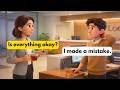
Mastering Everyday English: Practical Tips for Confident Communication
This video offers practical English learning tips through relatable real-life scenarios like ordering coffee, asking hotel questions, and sharing past experiences. It emphasizes simple corrections, natural phrasing, and building confidence, making English communication less intimidating and more effective.
Essential English Conversations for Travel and Daily Life
This comprehensive guide features practical English dialogues covering common scenarios such as airport check-in, shopping, dining, and workplace interactions. It offers actionable phrases and vocabulary to help learners navigate travel, business, and everyday situations confidently.
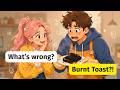
Everyday English Conversation Practice for Real Life Situations
This video presents practical English conversations across daily scenarios like ordering at cafes, shopping, interacting with neighbors, and making travel arrangements. Learners gain valuable phrases and cultural insights to improve their speaking confidence and understanding in real-world contexts.
Everyday Conversation Scenarios: Coffee, Travel, Shopping, and More
Explore common real-life conversations covering topics like ordering coffee, dealing with travel hiccups, shopping essentials, and local interactions. This guide offers practical dialogue examples and useful phrases for navigating daily social and service situations with confidence.
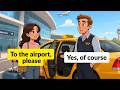
Everyday English Conversations: Practical Dialogues & Situations
Explore a wide range of common English conversations covering scenarios like meeting friends, traveling, shopping, dining, and more. This comprehensive guide provides practical dialogue examples to enhance your speaking and listening skills for everyday life.
Most Viewed Summaries

A Comprehensive Guide to Using Stable Diffusion Forge UI
Explore the Stable Diffusion Forge UI, customizable settings, models, and more to enhance your image generation experience.

Kolonyalismo at Imperyalismo: Ang Kasaysayan ng Pagsakop sa Pilipinas
Tuklasin ang kasaysayan ng kolonyalismo at imperyalismo sa Pilipinas sa pamamagitan ni Ferdinand Magellan.

Mastering Inpainting with Stable Diffusion: Fix Mistakes and Enhance Your Images
Learn to fix mistakes and enhance images with Stable Diffusion's inpainting features effectively.

Pamamaraan at Patakarang Kolonyal ng mga Espanyol sa Pilipinas
Tuklasin ang mga pamamaraan at patakaran ng mga Espanyol sa Pilipinas, at ang epekto nito sa mga Pilipino.

How to Install and Configure Forge: A New Stable Diffusion Web UI
Learn to install and configure the new Forge web UI for Stable Diffusion, with tips on models and settings.
If you found this summary useful, consider buying us a coffee. It would help us a lot!