
Introduction
In this tutorial, we delve deep into the fascinating world of sequences and series. Recognized as fundamental components in mathematics, sequences and series find applications across various fields, including finance, science, and engineering. They comprise ordered lists of numbers (sequences) and the sum of the elements of these lists (series). This article will explore key concepts, including arithmetic and geometric progressions, their properties, and proofs of significant results related to them.
Understanding Sequences and Series
What is a Sequence?
A sequence is a list of numbers arranged in a specific order, following a certain rule. For example:
- Arithmetic Sequence: In an arithmetic sequence, the difference between consecutive terms remains constant.
- Example: 2, 5, 8, 11 (Common difference, D = 3)
- Geometric Sequence: In a geometric sequence, the ratio between consecutive terms is constant.
- Example: 3, 6, 12, 24 (Common ratio, R = 2)
What is a Series?
A series is the sum of the elements of a sequence. It can be finite or infinite:
- Finite Series: Sum of a finite number of sequence elements.
- Example: For the sequence 1, 2, 3, 4, the sum (S) is 1 + 2 + 3 + 4 = 10.
- Infinite Series: Sum of infinite sequence elements.
- Example: The series 1 + 1/2 + 1/4 + 1/8 + ... converges to 2.
Key Concepts in Arithmetic Progression (AP)
Definition
An arithmetic progression (AP) is a sequence in which the difference between any two consecutive terms is constant.
Common Characteristics
-
First Term (A): The initial term of the sequence (a").
-
Common Difference (D): The constant difference between consecutive terms.
-
nth Term: Can be expressed as:
[ a_n = a + (n-1)D ]
Finding the Sum of n Terms
The formula for the sum (S_n) of the first n terms of an AP is given by:
[ S_n = \frac{n}{2}(2a + (n - 1)D) ]
Or equivalently:
[ S_n = \frac{n}{2}(a + l) ]
Where l represents the last term.
Proving Properties of APs
To prove that certain sequences defined via sums are also APs, one can often utilize the formula for the nth term. Algebras of the sums lead to proofs regarding common differences being constant. For example, if you have a sequence ( S_k ), and you determine that ( S_{k+1} - S_k ) results in a consistent number, you can confirm that ( S_k ) is an AP.
Key Concepts in Geometric Progression (GP)
Definition
A geometric progression (GP) is a sequence in which the ratio between consecutive terms is constant.
Common Characteristics
- First Term (G): The initial term (g").
- Common Ratio (R): The fixed ratio between consecutive terms.
nth Term Expression
The nth term can be expressed as:
[ g_n = g imes R^{(n-1)} ]
Finding the Sum of n Terms
For a GP, the sum (S_n) of the first n terms is given by:
[ S_n = g \frac{1 - R^n}{1 - R}, \text{ if } R \neq 1 ]
Applications of Sequences and Series
Mathematics and Beyond
Sequences and series are frequently used in mathematics for solving problems related to limits, calculus, and algebra. They are also applicable in other fields:
- Finance: Calculating compound interest.
- Physics: Analyzing periodic trends (such as waves).
- Computer Science: Algorithms often rely on sequences or series for efficiency.
Conclusion
Understanding sequences and series is essential for anyone aspiring to master mathematics. Learning about arithmetic and geometric progressions, their properties, and the calculations involved provides a robust foundation for further mathematical learning and real-world applications. This guide paves the way for further exploration into more complex concepts and their utilities.
Whether you're a student preparing for exams or simply looking to strengthen your mathematical knowledge, these fundamental concepts in sequences and series are invaluable in your academic journey.
today we'll study sequence and series and this first question is let A1 A2 up to a n + 1 b and a and let its
common difference be D now it has defined S1 as some of the series from A1 to a n S2 is from a n + 1 to a2n S3 is
from a2n + 1 to a3n so each of the series contains n terms and S1 is sum of first end terms S2 is sum of next end
terms S3 is sum of again next end terms now it says prove that the sequence S1 S2 S3 it is an AP whose common
difference is n² * the common difference of given progression now for this what we'll do
is we'll write this General series SK and we need to find the first ter of the series now
if it is S1 last term is a n for S2 it is a2n for S3 it is a3n so for s k 1 its last term will be
a k minus 1 n now here its first term will be a k minus 1 n + 1 and then we'll have n
terms and it's last term will be a k n now this is sum of N terms of an AP so
it sum will be n by 2 2 A and A here is a K -1 n + 1
+ n -1 into D and then we can write SK + 1 now here first term will be a k n + 1 and go all the way
a k + 1 n and this sum it be n by 2 2 a k n + 1 + n -1 into D now this C quence it is an AP then difference between any
two successive terms must be independent of K so what we'll do is we'll find S + 1 minus SK and here n minus 1 D
will cancel so we can write this as n by 2 and this is 2 a k n + 1 - 2
a k -1 n + 1 now this 2 and two it also cancel so this is n now this is k n + 1 term so it'll be this A1
+ K N into D and this is minus and this is A1 + K -1 n into D now this A1 and A1 will
cancel and this K and D will also cancel so this value will be equal to n² D which is independent of K now since it
is independent of K it means this sequence it is an AP and this common difference it is equal to n² into D
where D is the common difference of the given progression and which is what we need to prove in this question now here
the question is let A1 A2 A3 a n b and a then we need to prove that 1 upon A1 a n plus 1 upon A2 a nus1 + 1 upon A3 aus2
up to 1 Upon A N A1 is equal to this right hand side now we have this one interesting property in arithmetic
progression and the property is arithmetic mean of terms which are equidistant from beginning and
the end are equal so that means A1 + a n by 2 it is equal to A2 + a n - 1 by 2 it is equal to A3 + a nus
2x2 and L continue like this now we can cancel this two also so we can say some of these numbers they'll be equal now
we'll take the series which is 1 upon A1 a n + 1 upon A2 a n minus 1 1 upon A3 a n minus 2 up to 1 Upon A N A1 and what
we'll do is we'll multiply and divide everything with A1 + a n so we'll write 1
upon A1 + a n and we'll multiply everything with it so it is A1 + a n upon A1 n
+ A1 + a n upon A2 a n minus 1 A1 + a n
upon A3 a n minus 2 all the way up to A1 + a n Upon A N A1 now we can write this as 1
upon A1 + a n and this is A1 + a n upon A1 a n now we know that A1 + a n is also equal to A2 + a n minus1 so we'll
replace it here so we'll write A2 + a nus1 upon A2 a n minus 1 in the same way A1 + n is also equal to A3 + a nus 2 so
it will be A3 + a nus 2 and this is A3 a nus 2 I'll continue up to A1 + a n Upon A N A 1 now what
we'll do is we'll split these terms so we can write 1 upon A1 + a n and here will will be 1
upon a n + 1 upon A1 and here will be 1 Upon A N - 1 + 1 upon A2 1 Upon A nus 2 plus 1 upon A3 it continue up to 1 upon
a n + 1 upon A1 so here we have we have this series 1 upon A1 + 1 upon A2 + 1 upon A3 up to 1
upon a n and again we'll have the series A1 A2 up to a n minus 2 a nus1 a and so we have the series twice so we can
actually write this as 1 upon A1 + a n and it will be 2
* 1 upon A1 + 1 upon A2 up to 1 Upon A N so this is equal to 2 upon A1 + a n into 1 upon A1 + 1 upon A2
up to 1 Upon A N which is what we need to prove in this question now the second question is show that in an AP this
value it is equal to right hand side now we have this AP A1 A2 A3 and let its common difference be D now we are given
the series as A1 s - A2 s + A3 s - A4 squ and it goes all the way up to
a 2 K - 1 s- a 2 k s now what we'll do is we'll pair these terms taking two at a
time so this is a squ - b square so we can write this as a + b into a minus B so there'll be A1 + A2 and into A1 - A2
and this is A3 + A4 into A3 - A I'll continue up to a 2K - 1 + a 2K into A2 K -1
minus A2 K now we know that in an AP difference between any two successive terms it is either D or minus D since it
is A1 - A2 so it'll be this minus d will also be minus D and in the same way it is also minus D so we'll take this minus
D common and then we'll have A1 + A2 + A3 + A4 up to a 2K which is sum of first 2 G terms of
an AP now this is minus D and this is n by2 so it'll be 2 K by 2 and a + L which is A1 + a 2 K now this 2 and two will
cancel so it is equal to minus D into K this is A1 + a
2K now we also know that in an AP this a2k will be equal to A1 + 2 K - 1 into D so we can write this D
is A2 K - A1 upon 2 K - 1 so we'll put it here so if we put it here we'll get
minus and this is A2 K - A1 upon 2 K - 1 into K into A1 + A2 K now we'll take this minus sign here then
will be a + b into a minus B which is K upon 2 K -1 into A1 s
minus A2 k s which is what we need to prove in this question now in this question it says if
the roots of the equation 10 x CU - CX2 - 54x - 27 = 0 are in HP then find C and find all the
roots now it is easier to work with an AP rather than an HP so what we'll do is we'll rather find an
equation whose roots are reciprocal of roots of given
equation so for this what we simply do is we replace x with 1X X so we can write
10 1X X Cub - c 1X x² - 54 1X x - 27 = 0 now if we simplify and rearrange we'll get this as 27 x
Cub + 54 x² + CX - 10 = 0 now since its roots are
reciprocal to the roots of given equation roots of this equation they are in a and let these roots
be a minus d a and a + D now we can write S1 S1 is sum of all the three Roots
which in this case is 3 a and that'll be equal to- B Upon A so it'll be - 54 upon 27 which is -2 so value of a is
minus 2x3 so we have this a as Min - 2x3 now since this a is root of this equation it'll satisfy this equation so
we'll put the value of x and find the value of C so that'll 27 and this is - 8X
27 + 54 and this is 4X 9 - 2 C by 3 - 10 = 0 now this is - 8 + 24 - 2 C by 3 - 10 = 0 now this
is 2 C by 3 = 6 value of C is 9 so we'll get the value of C is 9 so in this question value of C
is 9 now we need to find the other roots and for it we need to find the value of D so what we'll do is we'll write
S3 now S3 is Alpha Beta gamma so it'll be a into a s - D ² and that'll be equal to minus D Upon A which
is 10 by 27 the value of a is - 2x3 so there'll be - 2x3 and this is 4X 9 - D ² and this is 10 by
27 now this is 5 and this is 9 so we can write -4 + 9 D ² = 5 so value of D is Plus or
-1 Now The Roots are a a minus D and A + D so roots of this equation there will be a minus D so there'll be - 2 by 3 - 1
so there'll be - 5x3 and then a and then a + D which is 1x 3 but these are roots of the equation whose roots are
reciprocal to the roots of given equation so we need to find roots of the given
equation so roots of given equation they'll be reciprocal to these roots so there'll be - 3x
5 - 3x2 and3 and the value of C we'll have here is 9 and that is the answer to this question now here the question is
if the sum of M terms of an AP is equal to sum of either the next n terms or the next p terms then prove that 1 upon m +
n into 1 upon M - 1 upon P will be equal to m + P into 1 upon M - 1 upon M where n is unequal to P so what we given is
sum of M terms is equal to sum of next n terms now we can write sum of next n
terms as sum of m+ N minus sum of N terms so it will give us the sum of next n terms so we can write 2sm will be
equal to s m + n and we have given that it is also
equal to sum of next p terms so another condition which we'll have here is 2m will be equal to
s m + P where n is unal to P now we'll simplify this first conditions we can write two and this is M by
2 2 A + m-1 into D and it'll be equal to m + n/ 2
2 a + m + N - 1 into D now this 2 and two will
cancel now what we'll also do is we let this 2 a + m-1 DS sum X so we can write 2 MX will be equal
to m + n and here will be this 2 a + m-1 D is X plus n into
D now we'll take this X on the left hand side we can write M - n into X and that'll be equal
to m + n into n d or we can simply write X upon D will be equal to n
into m + n upon M minus n now similarly we can write it for this equation and from here we'll
get this x upon DS P into m + P upon M minus P now we equate these two
we'll get n into m + n
upon nus n and that be equal to P into m + P upon m-
V now we can rearrange this as m + n into m-
P into n and that'll Beal P into m + P into M minus n now we'll divide everything
with M and and we'll divide it with these two terms so we'll
write m + n now this n will cancel and will be 1 upon P minus 1 upon M and here will be this m + p and it will be 1 upon
n minus 1 upon n which is what we need to prove in this question the question is
computer solved several problems in succession the time it took the computer to solve each successive problem was
same number of times smaller than the time it took to solve the preceding problem how many problems were suggested
to the computer if it spent 63.5 minutes to solve all the problems except for the first and 127 minutes to solve all the
problems except the last one and 31.5 minutes to solve all the problems except the first two now let the time taken for
the first problem be a for the second it is a then it is AR squ a RQ and go all the way up to a r the^ n -2 and a r^ n
minus one so in total you'll have n problems now it says it spent 63.5 minutes to solve all the problems except
for first so for all these problems it has taken the time
63.5 127 minutes to solve all the problems except the last one so for all the problems except the last one it has
127 minutes and 31.5 minutes to solve all the problems except for first two except
for first two time taken is 31 5 minutes now if we write this sum
from a to a r^ n minus 2 this sum will be a 1 - r^ n -1 upon
1 - R it is 127 and this sum from a r to a r^ n minus one there'll be a r 1 - r^ n - 1 upon 1 - R and it will be
63.5 if we divide first with second everything will cancel you'll get this as 1 upon R and that'll be equal
to 127 upon 63.5 which is two so value of R is
[Music] 1x2 now we know that time taken to solve problems from 2 to last it is 63.5 and
time taken to solve problems from 3 to last is 31.5 that means time taken to solve the second
problem it is a and it is equal to 63.5 - 31.5 so it will be 63.5 minus 31.5 and that is 32 now if you put R is
1x2 you'll get value of a is 64 so value of a is 64 so we have a and r we need to find the value of n so we put the value
of a and r in this equation so now we can write
64 1 - 1 upon 2^ N - 1 upon 1 - 1 by 2 and that'll be equal to 127 so this is 128 so we can write 1 - 1 upon 2^ n -1
will be equal to 127 upon 128 or 1 upon 2^ N - 1 is 1 upon 128 now this is 1 upon 2 ^ 7 so N - 1 = 2^ 7 so value of n
is 8 so in total eight problems were given to the computer and that is the answer to this question now question is
a GP and HP have same p q and R term ABC show that a into B minus C log a plus b into c - a log B plus C into Aus B log C
it is equal to 0 and it says a BC are p q and R term of an HP so that means 1 Upon A 1 upon B and 1 upon C are p q and
R term of for an AP now we can write this as A+ a - 1 D it is equal to 1 by a a + Q - 1
D it is 1 by B and A + r - 1 into D is 1 by C now if we subtract these two we can write P - Q into D it is equal to 1 upon
a - 1 upon B and in the same way if we subtract these two we can write Q - Rd = 1 upon b -
1 upon C now we are also given that
abcr p qth and R term for a GP so we can write this a some a
Das r^ P minus one B is some a Das r^ q minus1 and C is some a d r the^ r - one and if we take log we can write log a
equal log a d + P minus1 log R log B and this log a d + Q -1 into log R and log C = log a d
+ r -1 into log we'll take everything as log now if we subtract these two we can write log a minus log B it is equal p- Q
into log R and from second and third we can write log B
minus log CS Q - R into log R now we'll come back to this
first one if we divide these two we can write p- Q upon Q - R it will be equal to B minus a upon AB
into C minus B to BC which is B minus a c Upon A into cus B and if
we divide these two we can write log a minus log B upon log B
minus log c will be equal to p- Q upon Q - R now if we equate these two we can
write C into B- a Upon A into cus B will be equal to log a minus log B
upon log B minus log C now we cross multiply we can write
C B minus a log B minus C B minus a log c will be equal to a c minus
B log a minus a c minus B log B now we'll take everything on the
left hand side then we can write this as a B minus C log a now plus and we take
log B on the left hand side it'll be BC minus AC and AC minus AB so there'll be b c minus
a log B and this is plus we'll take this plus sign so it will be C into a minus B log C = 0 which is what we need to prove
in this question now here it says let S and B sum of nend terms of a GP whose first
term and common ratios are A and R then do that S1 + S3 + S5 to S 2 N - 1 is a n upon 1 - r - a r 1 - r^ 2 N upon 1 - r²
into 1 + r now we know that SN is a into 1 - r^ n upon 1 - R now we need to find
the value of S1 + S3 + S5 up to S 2 nus1 now s 1 is a 1 - R upon 1 - R S3 is a into 1 - R
upon 1 - R S5 is a 1 - r^ 5 upon 1 - r n s 2 N - 1 will be a 1 - r ^ 2 N - 1 upon 1 - R
now we'll add all all these A1 - R terms from all the Expressions now number of terms in the
series is n so it'll be a n upon 1 - R and then we left with this minus we'll take a r upon 1 - R
common and then we'll have 1 + r² + r ^ 4 up to r^ 2 N minus 2 which is nothing but a GP
so we can write this as a n upon 1 - R minus a r upon 1 - R and this is a 1
- r² ^ n upon 1 - r² now this is a n upon 1 - R and this is minus a r
upon 1 - R and this is 1 - r ^ 2 N and this is A + B into a minus B so it'll be 1 - R into 1 + r so this
sum it will be a n upon 1 - r - A R into 1 - r^ 2 N upon 1 - r² into 1 + r which is what we need to
prove in this question now other question is Let There Be Maps beginning with unity so for each
of the aps first term is one and their common differences are 1 2 3 up to M so their common differences are I show that
some of their nth term is M by2 into MN minus m + n + 1 so if we write nth term for this ith series it will be a i
+ nus 1 into I so will be 1 + nus1 into I now we need to find sum of
all these terms where I varies from 1 to M now it'll be this summation I varies from 1 to m 1
+ N - 1 into I now summation 1 is m and this is nus1 and summation I is M into m + 1 by 2 now what we'll do is we'll take
M by2 common so if we take M by2 common you'll get this as 2 + n -1 into m + 1 and this is M by 2 and
here will be this MN + n- - M + 1 which is what we need to prove in this question now here the
question is the sum of squares of three distinct real numbers which are in GP is s squ and their sum is alpha s show that
Alpha Square belongs to 1x 3 to1 Union 1 2 3 so we have three numbers in GP and let the numbers be a a r and a r squ we
are given a + a r + a r² and this is equal to alph and some of their s a² into 1 + r² + r ^ 4 and this is equal to
s² now what we'll do is We'll add R square and we'll subtract R square so we can write this as a square and here will
be 1 + r² 2 - r² and this is equal to s² now this is A + B into a minus B so we can write this
as a 1 + r + r² into a 1 - r + r² and this is equal to s² now we know that a 1 + r + r² it is nothing but it is Al so
we'll replace it with Al s will cancel once so we can write a 1 - r + r² and that'll be equal to S
upon Alpha so this is our first this is second and this is our third result now what we'll do is
we'll divide first with third then we can write 1 + r + r² upon 1 - r + r² and that'll be
equal to Alpha squ now we need to find range of alpha Square now we can write this
as Alpha squ - 1 into r² minus and then it will be alpha s + 1 into r
+ Alp s - 1 = 0 now we need a real value of R so for this D should be greater than zero we
are not considering D equal 0 because if D is equal to Z then both the roots they'll be equal R1 = R2 and we know
that product of root is + one that means R1 and R2 will take the value either + one or minus one in which case number
won't be distinct so we are discarding this case so if we take D than 0 we'll get Al s + 1 s - 4 Alp s - 1 s and it
should be greater than Z now we write a + b into a minus B so it'll be this 3 Alp s - 1 into 3 - Alp Square it should
be greater than Z now if we write for Alpha Square this is 1 by 3 this is 3 3 this is minus plus and minus what we
need is plus so value of alpha Square should lie between 1X 3 and 3 now we also know that R cannot be zero because
again if R is zero then we'll get two terms as zero in which case we'll get Alpha Square = 1 so
R cannot be zero that means value of alpha Square it cannot be one so from this we'll remove one value which is one
so answer to this question is Alpha Square should lie between 1X 3 to 1
Union 1 to 3 and that is the answer to this question now the question is a series of
natural numbers is divided into groups in the first group we have one in the second group we have 2 3 4 in the third
group we have 5 6 7 8 and 9 and so on we need to find some of the numbers in the nth group so we are talking about
10th group now in first group we have one number in second group we have three numbers in third group we have five
numbers so in nth group so in nth group we'll have a + n -1 into D that is 2 N - 1 numbers
we'll have 2 N minus one numbers now we know that in each
group numbers are in AP whose common difference is one so we have common difference of one we need to find this
first term now there are many ways to find this first term now what we can see is here this is one for the second one
it is two for this third one it is nine so this is so this is one square this is 2 square for the third it is 3 Square
for this n minus one group last number will be n -1 squ so here this first term it
will be n minus 1 + one term so for this nth group
is n -1 s + 1 common difference is one and number of terms it is 2 nus 1 we just need to find its sum
so some of these numbers will be n by 2 so it'll be 2 N - 1 by 2 and then a + L so it'll be this N - 1
s + 1 plus and we know that here last term will be n² so it be simply n² so we can write this
as 2 N - 1 by 2 and here will be 2 n² - 2 n + 2 which will cancel so it'll be this
2 N -1 into n² - n + 1 now we have to express it in the form n -1 Cub + n Cub so what we'll do is we write this as n
+ n minus1 and here we'll subtract n and add n so there'll be n -1 s + n now we multiply them we can write n into n -1 2
+ n² + n -1 Q + n into nus1 so it'll be this NB + N - 2 n 2 + n 2 + n -1 CU + n²
- n now this n sare n square and 2 N Square will cancel n and n will also cancel so it'll be this n -1 CU
+ n CU and that is what we need to prove in this question now for this question another
way to find this first term is now in this first group there is only one term so this next term is this 1 + 2 now
here we have 1+ 3 four terms and this is 4 + 1 fifth term now here you have 1 + 3 + 5 9 and here will be this 10 so this
first term it will be 1 + 3 + 5 up to now till n minus 1 group so you'll
have n minus one terms + one now we know that sum of first n odd natural numbers is n Square here we have nus1 terms so
there'll be n -1 Square + 1 so that is another way of finding this first term which again is n -1 s + 1 now here the
questions we are given x y and z now X is this GP 1 + cos² 5 + cos ^ 4 Pi up to infinite so
this is a upon 1 - R which is 1 upon sin Square 5 now this Y is 1
+ sin S 5 + sin ^ 4 5 up to infinite and this is 1 upon 1 - sin Square 5 which is 1
upon cos² 5 and Z is 1 + cos² 5 into sin S 5 + cos ^ 4 5 into s^ 4 5 up to infinite which again is an
infinite GP which is a upon 1 - R now what we'll do is we'll put the value of cos Square 5 and sin Square 5
so from here we can write sin Square 5 is 1x X and cos squ 5 as 1 by y so from here we
can write this Z it is equal to 1 upon 1 - 1 upon XY or Z is equal XY
upon XY - so from here we can write this XY Z it is equal to XY + which is what we need
to prove in this first part now for the second part we need to prove that XY = x + y now we know that sin sare 5 + cos
sare 5 is 1 so if we add them we can write sin Square Theta + cos sare thet 1 and that'll be equal to 1 by x + 1 by y
that means X into Y = X + Y so we'll replace this x into y here so from here we'll get x y z = x + y + z now here
this first question is we are need to find solve the series which is summation R varies from 1 to n summation s varies
from 1 to n Delta RS and this is 2^ R into 3 ^ s where Delta RS is zero if R isal to s and this is one if R is equal
to S so though it's a double summation problem problem is very simple so when R and S they're different this entire term
will be zero so we'll only have non-zero terms when R equals s so that means this s it will be when R is 1 and S is 1
it'll be 2 into 3 when R is 2 s is2 there'll be 2 s into 3
S 2 cu into 3 CU and continue up to 2^ n into 3^ n it is nothing but just another way
of writing a GP so this is another notation in which we can write a GP so this s is nothing but a GP which is 6 6
s 6 Cub up to 6^ n which is a r^ n-1 upon R -1 and that is the answer to this question
now for this second part it says you need to find this triple sum I varies from 1 to
n j varies from 1 to I and K varies from 1 2 J and this is
one now first we'll solve this now this is 1 + 1 + 1 J * so it will be this summation I varies from 1 to n and this
is summation J varies from 1 to I and this is J now summation J is I into I + 1 by 2 so we can write this as this
summation I vares from 1 to n i into I + 1 by 2 or this is this summation i²
+ summ I / 2 now summation i s is n n + 1 2 n + 1 by 6 and summation I is n into n
+ 1X 2 now what we'll do is we'll take n n + 1X 6 common we can write this
as n n + 1 by 12 and here we'll have 2 n + 1 and here will be
simply 3 so this is n n + 1 and this is 2 n + 4 which is 2 into n + 2 upon 12 which we can also
write as n n + 1 n + 2 / 6 and that is the answer to
this question now here the question is we need to find some of these four series
now this first one is we given the series which is 1 into 4 into
7 1 upon 4 into 7 7 into 10 1 upon 7 into 10 into 13 we need to find its
sum up to nth term and then up to Infinity now first we'll find nth term for this series now this is 1 147 it's
an AP so its nth term will be a + n minus one and common difference is three so that'll
be 3 N - 2 so it'll be this 1 upon 3 N - 2 3 n +
1 and 3 n + 4 now basically this question is method of difference now difference between 1 and 7 is 6 4 and 10
is 6 7 and 13 is 6 and 3 N - 2 and 3 n + 4 is 6 so what we'll do is we'll multiply and divide everything with six
so we can write SS 1X 6 and this is 6 upon 147 and this is 6 upon
4710 up to 6 upon 3 N - 2 3 n + 1 3 n +
4 now this is 1 by 6 now we'll write this 6 as 7 - 1 so it will be this 7 - 1 and this is 147 here we'll write this as
10 - 4 this is 4 into 7 into 10 here it is 13 - 7 this is 7 into 10 into
13 and here it is 3 n + 4 - 3 N - 2 so it will be 3 n + 4 - 3 N - 2
[Music] upon 3 N - 2 3 n + 1 3 n + 4 and what we'll do is we'll
split these terms so we can write this is 1x 6 now here 7 will cancel so it is 14 -
47 now here 10 will cancel it will be 4 into 7 and here 4 will cancel 7 into 10 here 13 will cancel so this is 7 into 10
minus 10 into 13 and continue and here this 3 n + 4 will cancel so you'll be this 3 N -
2 3 n + 1 minus and here 3 N - 2 will cancel so it will be 3 n + 1 and 3 n + 4 now if we look at
these terms these successive terms they'll cancel now here we have this first one then what remains is this last
term so this sum it will be 1X 6 into 1X 4 - 1 upon 3 n + 1 into 3 n + 4 and that is
the sum up to end terms now if we find sum up to infinite we simply need to take this limit n TS
to infinite SN now if we take this limit n TS to infinite this entire expression will be simply zero so some of this
limit up to Infinity is 1x 24 so that is the answer to this first part now this second question is find
the sum of the series up to end terms so this series s is summation R varies from 1 to n
r r + 1 r + 2 r + 3 now one way of solving this question is by taking this product and
then we'll have r^ 4 RQ which is very lengthy way of solving this question so what we'll do is we'll write its R term
as r r + 1 r + 2 and r + 3 now we'll try and use method of difference in this so the term before this one it will be r -
1 and term after r + 3 will be r + 4 and the difference is five so what we'll do is we'll multiply and divide everything
with five so we can write 1X 5 and this is r r + 1 r + 2 r + 3 into 5 now we want to write this as 1X 5 and this is
r r + 1 r + 2 r + 3 and we write this as r + 4 4- R-1 and we'll split it in two parts we
can write 1X 4 and this is r r + 1 r + 2 r + 3 r + 4 and minus and this is R -1
r r + 1 r + 2 r + 3 so that's our R term now we can write this first term as 1X 5 and this is 1 into 2 into 3 into 4 into
5 minus and this is 0 we can write its second term as 1X 5 and this is 2 into 3 into 4 into 5 into
6 minus and this is 1 into 2 into 3 into 4 into 5 third term is 1x 5 and this is
3 4 5 6 7 minus and this is 2 3 4 5 and six and its nth term is 1x 5 n n +
1 n + 2 n + 3 n + 4 minus n -1 n n + 1 n + 2 n + 3 now SN is sum of these first end terms so we'll add them we can
write this SN as T1 + T2 plus T3 up to TN now here these terms they'll cancel it cancel cancel now here we have this
left so here what remains is this expression so it'll get cancelled so it'll be this 1X 5 into
n n + 1 and + 2 n + 3 into n + 4 and that is the answer to this question n since SN is
proportional to n s infinite will be infinite so as n approaches infinite this sum is going to
diverge now this third one is this summation R varies from 1 to n 1 upon 4 r² - 1 so it will be this
summation R from 1 to n and this is 2 R -1 and this is 2 r + one now here difference is two so what
we'll do is we'll multiply and divide everything with two it will be the summation R varies from 1 to n and this
is 2 upon 2 and this is 2 R -1 and 2 r + 1 now we can write this as this summation we'll take 1 by 2 2 Common and
here will be this R varies from 1 to n and we can write this as 2 r + 1 minus 2 r - 1
/ 2 R -1 and 2 r + 1 which is 1 by 2 and then this summation R varies from 1 to n now here 2 r + 1 will cancel so will be
this 1 upon 2 r - 1 and here 2 r - 1 will cancel and this is 2 r + 1 so we can write this sum of N terms as 1X 2
now we put r as 1 it will be 1 upon 1 minus 1X 3 R is 2 so it be 1X 3 - 1X 5 and continue up to 1 upon 2 N - 1 - 1
upon 2 n + 1 now 1X 3 1X 5 they'll cancel so here we have this first term we'll have this last term so this SN it
will be 1X 2 1 - 1 upon 2 n + 1 or this is n upon 2 n + 1 now we find S infinite it be this limit n TS infinite n upon 2
n + 1 and since this is infinite limit answer to this limit is coefficient of highest power of n in the numerator and
in the denominator so it will be this one and two so some of the series up to Infinity is 1 by two and then we have
this fourth one which is this series SN so this is 1x 4 1 into 3 and this is 4 into 6 this is
1 into 3 into 5 and this is 4 into 6 into 8 and goes up to nend terms now for nth term we'll have 1
35 so it is an AP so this n term will be a + nus1 into D so that'll be 2 N minus one and here this is
4 6 8 which again is an AP so this is a + nus1 into D which is 2 n + 2 4 68 and this is 135 what
seems to be missing is two so what we'll do is we'll multiply and divide everything with two so we can write this
SNS 2 into and this is 2 into 4 and this is 1 into 3 and this is 2 into 4 into 6 this is 1 into 3 into 5 and this is 2
into 4 into 6 into 8 and this is 1 into 3 into 5 up to 2 nus 1 and here it will be 2 into 4 into
6 up to 2 N + 2 now if we write its general term its
general term will be R term and will be this 2 into two and then 1 3 5 up
to 2 R -1 and in the denominator will be 2 into 4 into 6 up to 2 r + 2 now because we have to use
method of difference somehow we have to express it as sum a minus B so we have to introduce a minus B into this so what
we'll do is we'll write this as one here and we can write this 2 and this is 1 into 3 into 5 up to 2 r - 1 and we can
this as 2 r + 2 minus 2 r + 1 all divide by 2 into 4 into 6 up
to 2 R and this is 2 r + 2 what we'll do is
we'll split it in two parts now we can write this as Dr and this is two now for this first
part 2 r + 2 will cancel so we'll get this as 1 into 3 into 5 up to 2 R -1 upon 2 into 4 into
6 up to 2 R and then minus here it is 1 into 3 into 5 and this is 2 r + 1
upon 2 into 4 into 6 up to 2 2 r + 2 so that's your TR R now if we write T1 T1 will be 2 and
here it is 1x 2 minus and this is 1 into 3 and 2 into 4 because we put r as one this is two and this is four and here
it'll go up to three now if we put DS2 will be this two now this is 1 3 and this is from 2 to 4 minus and this
is 135 2 46 and it'll continue like this and this
n term will be 2 and this is [Music] 135 2 nus1
upon 246 2 N minus and this is 135 2 n + 1
upon 2 4 6 2 n + 2 now SN is sum of all these end terms so if we add them we'll get SN now
here these successive terms they'll cancel and since we have this term here what will remain is this last so it'll
cancel so it'll be this 2 into 1X 2 minus 1 into 3 into 5 up to 2 N +
1 upon 2 into 4 into 6 up to 2 N + 2 and we find it sum up to infinite it will be this
limit n TS infinite s now it be this 2 into 1x2 minus now here number of terms is n and here number of terms is n + 1
so here in the denominator power of n will be greater so it will be simply zero so answer to the series will be one
and that is the answer to this question now here we are given two questions and for these two questions we have to find
their nth term and sum of end terms now this first question is we have the series 1 + 5 +
13 + 29 + 61 up to end terms now here difference is
4 8 16 32 which is a GP so this difference
it is in GP with common ratio two so we have this common ratio of two and we know that if difference is in GP then
its general term it is written as a + b into r to^ n minus 1 and R in this case is 2 so it'll be this A + B into 2
the^ of n minus one now here we have two unknowns A and B we put n is one it will be
this A + B and it be one and if we put ns2 will be a + 2 B and it is five now we
subtract you'll get b as four and if B is for value of a is -3 so its general term will be -3 + 4 into 2^ of n -1 or
it is - 3 + 2^ of n + 1 now we need to find sum of N terms now this SN will be simply this
summation R varies from 1 to n t r which is this summation R from 1 to
n - 3 + 2^ of r + 1 now summation of Min -3 simply - 3 n and then we'll have this
summation R varies from 1 to n 2^ r + 1 which is nothing but a GP now for this GP this first term is when you put r as
one which is four common ratio is 2 and number of terms is n so we can write this as - 3 n and this is 4
into 2^ N - 1 upon 2 - 1 so it will be this - 3 n + 2^ of n + 2 - 4 and that's the answer to this first
question now this second question is we need to find some of the series and it's nth term 6 13
22 33 now here difference is 7 9 11 now difference of difference is constant we know that it's nth term it
will be a n² + BN + C now we'll use the shortcut this is 2 a this is 3 A + B and this is a + B+ C
now clearly a is one and if we put a as one we'll get b as 4 and if we put a as
one and B as 4 we'll get C as one so its general term or its n term will be n² + 4 n + 1 now we need to find sum of N
terms and there'll be this summation R varies from 1 to n TR R so it'll be this summation R vares from 1 to n and
there'll be r² + 4 r + 1 now summation r² is n n +
1 2 n + 1 by 6 Plus and this is 4 n n + 1 by 2 and then +
n now we'll simplify these two what we'll do is we'll take n n + 1X 6 common so we'll have
have 2 n + 1 + 12 + n so it'll be this n n +
1 2 n + 13 upon 6+ n and that is the answer to this question now the next question is we
need to find the sum of the first n terms of the sequence s which is 1 + 2 into
1 + 1 byn + 3 into 1 + 1 by n² 4 into 1 + 1 byn whole Cub up to and the nth term will be n into 1 + 1 by
n to^ nus1 now it's an AGP and for an AGP what we'll do is we'll write the series again
and we'll multiply the series with with its common ratio which is 1 + 1 by n and we'll displace the series by one
term so here it will be 1 into 1 + 1 byn 2 into 1 + 1 by n² and then in the end we'll have this n
into 1 + 1 by n to^ n now what we'll do is we'll subtract this second series from first so we'll get -1 by n SN and
here it will be 1+ and this is 1 + 1 byn this is 1 + 1 by n² I'll go all the way up to this term which is 1 + 1 by n ^ N
- 1- n into 1 + 1 by n^ n now it is nothing but a GP with first term 1 common ratio 1 + 1 by
n and number of terms n so it will be this minus 1 by n s n will be a and then r ^ n which is 1 + 1 by n^ n -1 upon R
-1 so it'll be 1 + 1 by N - 1 and - n into 1 + 1 by n to the^ n now this 1 and one will cancel so we'll get this as -1
by n SN and here it will be this n 1 + 1 by n^ N - n and then - n into 1
+ 1 by n the^ n now it'll cancel and we'll take this minus n on the right hand side you'll get this SN as n² so
sum of first nend terms of this sequence is n² now here the question is given that a
^ x = b ^ y = c ^ z = d ^ U where AB b c d are in GP then show that x y z u are in HP now what we'll do is we'll take
this as Lambda then if we take log we can write X log a = y log b = z log c = u log d =
log Lambda or log a equal log Lambda upon
X log P = log Lambda upon y log c
equal log Lambda upon Z and log D equal log Lambda upon U now in the question it says
AB c d they are in GP now we know that if ABC are in GP then log a log B log C and log D they
are in AP now we'll put the of log a log B log C and log B so there'll be log Lambda upon
X log Lambda upon y log Lambda upon Z and log Lambda upon it'll also be an AP now we'll divide
everything with log Lambda and we know that if we divide each term with a constant then it'll still remain an AP
so that means this 1 upon x 1 upon y 1 upon Z and 1 upon U it be an AP and reciprocal of an AP is HP so that means
XY Zu U they in HP and which is what we need to prove in this question now the question is find three numbers a b c
between 2 and 18 so we have to find these three numbers a b c lying
between 2 and 18 such that their sum is 25 so that means A + B + C is 25 and then it says
the numbers 2 A and B are consecutive terms of an AP that means 2 a
= 2 + B and then it says BC and 18 are consecutive terms of a GP so that means c² = 18b now what
we'll do is we'll put the value of a in this equation we'll multiply it with two so we'll
get 2 a + 2 b + 2 C = 50 and 2 a is B + 2 so there will be 3 b + 2 C =
48 and we know that 18 B is c² so what we'll do is we'll multiply everything with 6 so it will be this
18b + 12 C and this is equal to 48 into 6 which is 288 now this 18 V is c² so we can
write c² + 12 C minus 288 is equal to 0 now 288 is 6 into 48 which is 6 into 8 into 6 so we can write this
as c² + 24 c - 12 C - 288 = 0 so from here we'll get C + 24 and C - 12 = 0 The only
positive value of C in this case is C = 12 as a BC lie between 2 and 18 now once C is
12 B is c² by 18 so there'll be 12 into 12 / 18 value of B is
8 and once we have B and C B + C is 20 then the value of a is 5 so we'll get a is 5
B is 8 and C is 12 now the question is an AP and an HP have the same first term and the same last term and the same
number of terms prove that product of R term from the beginning in one series and the AR term from the end in the
other is independent of R so suppose we have an AP whose first term is a and whose last term is B
and suppose number of terms is n now we know that its common difference it will be b - A upon nus1 and its R term from
the beginning it will be a + r -1 into D which is a + r [Music]
-1 b - A upon nus1 or simply we can write a n -1
+ b - a r -1 upon nus1 we can also write this as a n -
r + b r -1 upon n -1 so this is are term of an AP from the beginning now if you look at HP
it says it has same first and last term So This Is A and B again and again number of terms is n now we solve HP by
making it an AP so this is 1 by a and this is 1 by B number of terms is still n now it common difference will be 1
upon B minus 1 Upon A upon N - 1 which is a - b Upon A into n minus one now in this we need to find R term from the end
and we know that R term from the end is equal to N - r + 1 term from the beginning so it'll be this 1 by
a plus n- r into D which is a minus
B upon AB n minus one now since this is corresponding term of an AP so term of
HP which is our term from the end will be reciprocal of this and it will be this
a n minus one and here will be this B nus1 + n-
R A minus B now we'll take terms of B together so it will be a n
minus1 upon and here this B it will be N minus1 - n + r so it be this b r -1 and
+ n minus r into a now it says we have to prove that product of these two terms it is independent of R now we multiply
them we'll get TR R and T HR from end it will be
a n - r + b r -1 upon n -1 into and this is a n -1 upon b r -1 + N - R into a now this expression will cancel nus 1 will
also cancel so this product it is equal to AB which is independent of R and which is what we need to prove in this
question now in this first question it says value of x + y z is 15 if a x y z and b are in AP so it says
value of x + y + z it is 15 if a x y z and b there are in a now we know that in an
AP arithmetic mean of terms equidistant from beginning and end it is equal that means a + b by 2 it is equal to x
+ z upon 2 and it is equal to Y so in this this x + z will be equal to a +
b and this Y is A + B by 2 and this is equal to 15 so from here we can write value of a + b is 10 and
that's our first equation now in the second part it says if 1xx + 1 by y + 1 by Z
= 5x3 and if a x y z and B they are in HP Find value
of a and b now if they are in HP then 1 Upon A 1 upon x 1 upon y 1 upon Z and 1 upon B they are in AP that
means again arithmetic mean of terms equidistant from beginning and end will be same so 1 Upon A plus 1 upon B by2
must be equal to 1 upon x + 1 upon Z by 2 and will be equal to 1 upon
y now this is 1 Upon A + 1 upon B and this is 1 Upon A + 1 upon b/ by 2 so it'll be this 3x2
* 1 Upon A + 1 upon B and that will be equal to 5x3 now we can write this as 3x2 a + b Upon A B and this is equal to
5x3 now we already know a + b is 10 so if we put a + b as
10 we can write this as 3x2 this is 10 upon ab and this is equal 5x3 now
I'll cancel we'll get value of a into B is 9 so a into B is
9 and a + b is 10 now 2 equations two unknowns now you put the value of B we can write a
+ 9 upon a = 10 or a² - 10 a + 9 = 0 get a - 1 a - 9 = 0 so either the value of a is 1 or value of a is 9 and if a is 1
value of B is 9 and if a is 9 value of B is one and this is the answer to this question now this B question is
the value of XY Z it is 15x2 if a XY z and b they are in
AP and this XY Z is 18x 5 if a XY z and b they are in
HP we have to find the value of a and b as assuming them to be positive integers now we'll take this first case
when a x y z and b there in AP now common difference of this AP will be simply B minus a upon
4 so this x will be simply a + D so it will be this A + B minus a by 4 which is
3 A + B by 4 Y is x +
D so be 2 A + B by 4 and Z will be y + D which
is a + 3 B by 4 so we multiply x y and z you'll get 3 A +
B into 2 * A + B into a + 3
B upon 64 it is equal to 15x 2 and this divide by 32 now it says if
a x y z and b they are in HP then X into Y into Z it is 18 by 5 now if a XY Z and be there in
HP then 1 Upon A 1 upon x 1 upon Y and 1 upon Z so it'll be same as this first
equation where a XY z b they are in AP the only difference is here a is 1 Upon A B is 1 upon b x is 1 upon X Y is 1
upon Y and Z is 1 upon Z so here we'll get 1 upon X into 1 upon Y into 1 upon Z as
this 3 Upon A + 1 upon b 1 Upon A + 1 upon B and 1 Upon A + 3 upon
B by 32 and it will be equal to 5 by 8 18 so we can write this
as 3 b + a into a + b into b + 3
a upon 32 and this is AB BQ will be equal to 5x8 now we know that this 3 A + B A + B
A + 3 B upon 32 it is equal to 15x2 so we'll replace this value here with 15x 2 so we can write 15x
2 AB CU will be equal to 5 by8 now this is 9 this is three so we'll get AB
CU equal 27 or the value of ab is 3 now it say A and B are positive integers so if a and b are positive integers the
only solutions we'll get is either a is 1 and B is 3 or a is 3
and b is one now the question is if n is root of this
equation and if n HMS are inserted between a and C show that difference between the first first and last mean is
equal to a c into a minus C and the question it says n is root of the
equation x² into 1 - A C - x a s + c²
- 1 + AC = 0 so that means n is going to satisfy this equation so we'll get n² into
1 - a - n a s + c² - 1 + a C = 0 so that's our first
equation now it says n hm are inserted between a and C so in between a and C we have
inserted in HMS or we can say between 1 Upon A and 1 upon C we have inserted
n a now this is suppose H1 H2 and hn and corresponding AP is A1 A2 and a n now for this corresponding
AP its common difference will be 1 upon c - 1 Upon A upon n + 1 now this A1 it will be 1 by
a + D which is 1x a + 1 by c - 1X a upon n + 1 which is n Upon A + 1 upon C upon n + 1 so
that's your A1 and a n will will be 1 upon C minus D
and there'll be 1 upon C and then - D will be - 1 upon c - 1 Upon A upon n + 1 and there'll be n upon C + 1 Upon A upon
n + 1 now their corresponding harmonic means will be H1 which is n + 1
upon N C + a into AC and hn will
be n + 1 AC upon N A + C now it says we need to show that difference between first and last
mean is equal to a c into a minus C we need to find H1 - hn so we can write H1 - hn
is now this n +1 AC it be common and then we'll have 1 upon N C + a - 1 upon N A +
C now if we take LCM we can WR n +1 AC and here it will be na a + C
minus n c minus a upon and this is n²
a + n a s + c² + a
c now we can write this is n + 1 a here we'll take terms of n together so there'll be
N A minus C and plus C minus a and it will be n² a +
n a s + c² now what we'll do is we'll take a minus C common so we'll
get n + 1 a c into a minus C and here will be this nus1
upon n² a + n a s + c² + a now this is A + B into a minus B so we can write this is n² -1 a
c into a minus C Upon n² A C + n a² + c² + a now now we need to prove that this value it is
equal to AC into a minus C which simply means that value of this expression it must be
one and here there is this correction it is AC so it should be this AC so it should be AC it should also be AC and
this is also AC now we know that n is the root of this given equation so you can write
n² into 1 - A C - n a s + c² and then - 1 + a = 0 now we'll take this n² and 1 here and we'll
take everything else on the right hand side so we can write n² - 1 and that will be equal to n² a +
n a s + c² + AC and if we divide it we'll get this result n² - 1 Upon n² A C + n a² +
c² + a c = 1 and if you put it here we'll get this is simply a a minus C which is what we need to prove in this
question now here the questions we are given two series and we have to find the sum of this third series which is 1 +
3ab + 5 a² up to infinite now this x is 1 + 3 a + 6 a s + 10 a CU up to infinite now
what we'll do is we'll write this series again and we'll multiply every term with a and we'll displace this term by one so
we'll get this a and this is 3 a² next one will be 6 a cub up to infinite and we'll subtract second from first we'll
get 1 - a x and will be equal to 1 + 2 a + 3 a² + 4 a CU up to infinite now this is
an AGP now we write the series again and again multiplying it with a and
displacing by one term so we'll get a into 1 - a x and here will be this a and this is 2 a
s + 3 a CU up to infinite now we subtract second from first we'll get 1 - a² into X and here will be this 1 +
a + a² + a q up to infinite which is an infinite GP which is a upon 1 - R so from here we can write X is 1
upon 1 - a Q and from here we can write 1 - A is
x^ - 1x3 or a is 1 - x^ - 1X 3 and that's our first result now this second series
is y = 1 + 4 b + 10 b² + 20 b c up to infinite now again we'll
multiply it with this common ratio B and display repl it by 1 so we'll get b y will be equal to B + 4 b² + 10 BQ up to
infinite so it'll be this 1 - b y and this is 1 + 3 b + 6 b² + 10 BQ up to infinite now this
series it is same as this first series 1 + 3 a + 6 a s + 10 a cub and we know that answer to this series is 1 upon 1 -
A CU so answer to the series will be 1 upon 1 - BQ or Y is
simply 1 upon 1 - b^ 4 from here we can write B is 1 - y^ - 1 by 4 and that's our
second result so we have the value of a and b now we have to find sum of the series
which is 1 + 3 a
+ 5 a² up to infinite in terms of X and Y so again we let the same series and
multiply it with common difference ab and displacing it by one so it'll be this a and this is
3 a² to infinite now we subtract second from first we'll get 1 - AB into s and there'll be 1 + 2
a + 2 a² up to infinite and this is nothing but an infinite GP so we can write this
as 1 - A into s and this is 1 + and this is 2 AB upon 1 -
A which is 1 + a upon 1 - A we can write this S as 1 + a
upon 1 - a² where a is 1 - x^ - 1 by 3 and b is 1 - y^ - 1
by 4 if we put the value of a and b we'll get the value of s in terms of X and Y which is what we need to find in
this question now here it says the real numbers X1 X2 and X3 satisfying the [Music]
equation x cubus x² squ + beta x + GMA = 0 there are in AP then
find the intervals in which beta and gamma lies now suppose these three Roots X1 X2 and X3 which are in AP they
are a minus D A and A + D now if we write S1 which is sum of roots we can write
3 A = 1 or the value of a is 1x 3 now we write S2 which is sum of Roots taken two at a time so it'll be this a
into a minus D plus a into a + D+ Aus D into a + D and that'll be equal to Beta now here a will cancel so we'll
get this as 2 * a² + a² - D ² it is equal to Beta or we can write d s
is 3 a² - beta now a is 1 by 3 so we'll get this as 1X 3 minus beta now D ² it should be
greater than or equal to Z so from here we'll get this condition that value of beta must be less than or equal to
1x3 now we need to find a range of gamma now for gamma we write S3 now S3 is product of roots so this is
a a minus D into a + D and it will be equal to minus
GMA now this is a into a sare - D sare and this is minus gamma now a is 1 by 3 so it'll be this
1X 3 and this is 1x 9 - D ² and this is minus gamma we can
write d s is 1x 9 + 3 GMA now again D ² it should be
greater than or equal to Z so from here we'll get value of gamma it should be greater than or equal to
minus 1 by 27 so we have range of beta and we also have range of gamma and that is the
answer to this question now the question is for an odd integer n we have to find the value
of n minus N - 1 CU and goes all the way up to -1 to the power n -1 into 1 CU and suppose this sum is s
now we know that this n is an odd integer and if n is odd then -1 the power nus1 it be even so it be this +
one so we can also write this as 1 Q - 2 Q + 3 Q - 4 q I'll go all the way up to minus
n -1 cu+ NB now what we'll do is now what we'll do is we'll
add 2 Cube and we'll also subtract 2 cube in the same way we'll add 4 Cube and we'll subtract 4 CU and we'll do it
for all the negative numbers plus N - 1 CU and then minus n -1 CU and what we'll do is we'll take
all these positive terms together so this s will become 1 CU + 2 CU + 3 CU up to n
CU and we'll take all the negative terms together so here we have - 2 cub and - 2 Cub so there'll be - 2
into 2 Q + 4 q up to n minus 1 Q now we can write this is 1 Q +
2 Q up to n CU and here we'll take 2 Cube common so
there'll be 16 and here we'll have 1 Cub + 2 Cub up to N - 1X 2 Cub now since n is odd n - 1
upon 2 it is an integer so there is no problem using this value now this is 1 Cub 2 Cub up to n Cub so it'll be this n
n + 1 by 2 squ and this is - 16 and this is 1 Cub 2 Cub up to N - 1 by 2 Cub so there'll
be n into n + 1 by 2 whole
Square now 2 square is 4 so this 4 4 16 16 will cancel and we can take n + 1 upon 2 whole Square Commons we'll
take n + 1 upon 2 whole s common and what remains is this n² minus N - 1 s now this is A + B into a
minus B so it'll be this 2 N - 1 so it'll be this n + 1 by 2 s
into 2 nus1 and that is the answer to this question now the question it says if a BC are first three terms of a
geometric Series so we are given a geometric progression or geometric series which is a b and c now rather
than taking them as a b and c we'll take them as a a r and a² now it says harmonic mean of A and B is 12 so their
harmonic mean is 12 and that of B and C is 36 now harmonic mean of a and AR R is 2 a into a r Upon
A 1 + r and that'll be equal to 12 now here a it will cancel so we can
write a r = 6 * 1 + r and that's our first equation and harmonic mean of a r and a r Square will be 2
* a r into a r squ upon a r + a r squ so we'll take a r common and it will be this 1 +
r and that will be 36 now this a r it will cancel and we know that a r upon 1 + r it is 6 so we can write 2 *
R into 6 it is equal to 36 so value of R is 3 and if we put RS3 we'll
get 3 a and this is 6 into 4 or value of a is 8 so we have a and r now we need to write
first five terms so it will be 8 24
72 216 and 648 and that is the answer to this
question now here the question is for an AP nth term is 1 byn
and nth term is 1 by m you would find its MN term it's very simple question now nth term is a
+ m - 1 into D and it is 1 by m and nth term is a + N - 1 into D it is 1 by m and we
subtract second from first we get M - n into D will be equal 1 by
nus 1 by m which is M - n upon MN and since M and N they are unequal we'll get DS 1 by MN now if we put DS 1 by MN we
get a plus M -1 upon MN and it is is equal to 1 by m from
here we get a also as 1 by MN and once we have a n d we can write its MN term its MN term will be a
+ MN - 1 into D now a is 1 by MN so it'll be this 1 by MN plus mn- 1 and this D is also 1 by MN so
it will be this MN by MN which is one so answer to this question is one which is your option C now here the question is
given a three-digit number whose digits are three successive terms of a GP now suppose three-digit number
is XY Z and here I'm just writing their digits so this is units digit this is 10's digit and this is 100s digit and
they are in GP so that means we have y equals XZ and that's our first equation
now it says if we subtract 792 from it we'll get a number written by same digits in the reverse order now if we
subtract 792 from it we'll get the same number in reverse order so there'll be zyx now actual way of writing it will
be the number is 100 x + 10 y + z and we are subtracting
700 + 90 + 2 and that'll be equal to 100 Z + 10 y + x now this 10 Y and 10 y will
cancel so we can write 99x x
minus 99 Z and that will be equal to 792 and this is 99 x - Z and we can write this is 11
into 72 now this is 9 and this is 8 so the second equation
we'll get is x - Z = 8 now it says if we subtract 4 from 100
digit of the initial number and leave the other digits unchanged we get a number whose digits are successive terms
of an AB so we subtract four from this 100 number so x - 4 y and z now it says there in AP so
that means 2 y = x + z - 4 now since we have three
equations and three unknowns we should be able to find the value of x y and z now we need to find the value of x y and
z so what we'll do is we'll write z is x - 8 and if we put Z as x - 8 here we'll
get 2 y = 2x -2 or y = x -
6 and then we'll put the value of y and z in this equation so we'll get x - 6 s = x
into x - 8 which is x² - 12x + 36 and that'll be equal to x² -
8X now this x² will cancel so you'll get 4X = 36 value of x is 9 so we have
RX and the value of x is 9 now if put X as 9 we'll get Y is 9 - 6 so y will be three and Z is 9 - 8 so Z is 1 so this
number number will be 931 and that is the answer to this question now in this question we need to
find sum of the series up to end terms and the series given is 1 upon x + 1 + 2x
upon x + 1 x + 2 and this is 3x² upon x + 1 x + 2 x + 3 and continue up to n terms and the
nth term will be n x^ n -1 upon x + 1 x + 2 up to x + n now what
we'll do is for this second term We'll add x² and subtract X squ here we'll add X cub and subtract X cub
and here we'll add x^ M and subtract X x^ n so we can write 1 upon x + 1 and here if we take X common it'll be x +
2 - x² upon x + 1 x + 2 here it will be x² x + 3 - x Cub
upon x + 1 x + 2 x + 3 I'll continue up to x + n x^ n -1 - x^ n
upon x + 1 x + 2 up to x + n now what we'll do is we'll split each term in two parts so we can write 1
upon x + 1 and here x + 2 will cancel it'll be X upon x + 1 and minus x² upon x + 1 x + 2 here x x + 3 will
cancel so it'll be x² upon x + 1 x + 2 and then all of the terms and here x + n will cancel so
there'll be x^ n -1 x + 1 up to x + N - 1 minus x^ n upon x + 1 to x + n now here
all these terms they'll cancel so what we left is with these terms and this term
Now 1 + x upon 1 + x is 1 so this s will be simply 1 - x ^ n
upon x + 1 x + 2 up to x + n so that is the sum up to n
terms now the second question is we given this sum A1 upon 1 + A1 + A2 upon 1 + A1 into 1 + A2 + A3
upon 1 + A1 1 + A2 1 + A3 and it goes all the way up to a n upon 1 + A1 into 1 + A2 up to 1 + a n
now in this also we need to introduce a negative sign so what we'll do is We'll add one and subtract one so we'll add
one and subtract one in each of the terms except this first one and then we'll split each term in two parts so we
can write this sum as a upon 1 + A1 now here A2 + 1 it'll cancel so it'll be 1 upon 1 + A1 and then minus it will be 1
upon 1 + A1 into 1 + A2 in the same way A3 + 1 will cancel so it'll be 1 upon 1 +
A1 1 + A2 and then minus 1 upon 1 + A1 1 + A2 and 1 + A3 I'll continue and in the end we'll have -1
upon 1 + A1 1 + A2 to 1 + a n now all these successive terms they'll cancel so what we'll get is these first two terms
and this last term now A + 1 upon 1 + A1 this is A1 so it is 1 so this sum will be 1 1 - 1
upon 1 + A1 into 1 + A2 up to 1 + a n and that is the answer to this question now here the question is if a b and
[Music] c they are in GP and
log a b c log C base B and log B base a they are in AP then
show that common difference of AP it must be 3x 2 now what we'll actually do is we'll
take these three terms as B by R BN BR R where R is common ratio of this
GP that's your a this is your B and that's your C now we take log to the base B we can
write log a base B it will be log P minus log R so it'll be 1 minus log R Bas B and if we take log R
Bas BS T we can write log a Bas b as simply 1 minus t now we
write log B Bas B log b b b obviously it will be one and then we'll write
log C Bas B and log C Bas B will be log B into R which is log V + log R so it'll be 1 upon
log R Bas p and it will be simply 1 + T where we have taken t as log R the base B now in the question it
says log a to the base C log C to the base B and
log B to the base a they are in AP now we know that log a to the base C is log a upon log C
to any base and here we'll change the base to B so we can simply write this as log a to the base B upon log C to the
base B and this is log C to the base B and here it is log B to the base B which is one upon and this
is log a to the base B and they are in a Now log a simply 1 - t and this
is 1 + T this is 1+ T and here it is 1 upon 1 - D and it says it is an AP now
since it is an AP 2 * 1 + T will be equal to 1 - t upon 1 +
t + 1 upon 1 - t so it'll be this 2 into 1 + T and it is 1 - t +
1 + T [Music] upon 1 + T into 1 - t which is 1 - t s
so we canite 2 into 1 + T into 1 - t² and will be equal to 1 +
t² - 2 T and this is 1 + T this is 2 + 2 t - 2 T 2 - 2 T cu and that will be t^2 - t +
2 now we can write this as 2 TQ and then we'll have 3
t² and then we'll have minus 3T and this two and two will cancel so it'll be equal to zero or we can write
2 t ² + 3 t - 3 it is equal to 0 so this is our first result now it
says we have to find common difference of this AP now we know that its common difference it will
be this minus this so it will be 1 upon 1 - t minus 1 + t which is 1 - 1 - t² upon 1 - t so it's common
difference is t² upon 1 - t now if we rearrange this we can write 2 t² = 3 into 1 - t or t² upon 1 -
t = 3x2 so this value it is equal to 3x2 so common difference of this AP it will be simply 3x2 and that is the answer to
this question now here the question is we have given this relation which is a n
= a n - 1 + 1 Upon A N - 1 for all n greater than 1 and it is given that A1 it is equal to 1 and it says we need to
show that a75 will lie between 12 and
15 now A1 is 1 if we write A2 A2 is 1 + 1 so A2 will be 2 A3 will
be 2 + 1 upon 2 which is greater than two and since it is an increasing sequence any a n will be greater than
[Music] two for all n greater than two now we look at this
given condition now it says a n equals a n - 1 + 1 Upon A N minus 1 now we Square it we can write a n²
is a n - 1 s + 1 Upon A N - 1 s + 2 now we know that this is always greater
than a n -1 2 + 2 because we are leaving out this positive term 1 Upon A N - 1 squ and we know that any a n it is
greater than 2 then 1 Upon A N will be less than 1X 2 or 1 Upon A n² will be less than 1X 4 that means it'll always
be less than one so we can write it'll be less than a n -1
s + 3 so from here we can write a n -1 2 + 2 will be less than n² and it'll be less than a n - 1 s
+ 3 now we you can also write this as 2 is less than a n² minus a n - 1 s and will
be less than three so we have this relationship that difference of squares of any two
successive terms of the sequence will lie between 2 and three now we'll start with n is2 so we
can write 2 is less than A2 s- A1 square and be Less Than 3 and if we put NS 3 we write A3 s - A2 s it be less than 3 and
for n = 4 we'll get A4 s minus A3 s it will be less than 3 and we'll continue up to a n² minus a n - squ will be less
than three now if we add them all up here this A2 Square will cancel A3 Square will cancel so all these terms
they cancel we can write 2 + 2 + 2 N - 1 * so there'll be 2 nus1 it be less than a
n² - A1 s and it'll be less than 3 + 3 + 3 N - 1 * and there'll be 3 nus 1 now we given that value of A1 is 1 so we can
write 2 N -1 + 1 will be less than n² I'll be less than 3 n -1 +
1 so this is the result that we have from the given condition now it says we need to prove
that a75 will lie between 12 and
15 so what we'll do is we'll put the value of n as 75 so we'll
put n = 75 so this is 2 and this is 74 + 1 will be less
than a75 S I'll be less than 3 into 74 + 1 now this is 149 it is less than a75 squ and L be
less than 223 now we know that 149 is greater than 144 and 223 is less than 225 we can
write 12 s is less than a75 squ that will be less than 15 squ
or a75 will lie between 12 and 15 and that is the answer
to this question at this question it says in a GP ratio of sum of first 11 terms to the sum of
last 11 terms is 1 by 8 so we have this GP which is a a r a r s and it goes all the way to a
r to the power n minus1 now sum of first 11 terms it be given by a 1 - r^ 11 upon 1 - R so this is sum of
first 11 to the sum of last 11 so we need to find sum of last 11 now if you look at last
11 this last 11 terms it'll be a GP from this side and here this first term will be a r^ n minus one and common ratio
will be 1 by n so we can write this as a r^ nus1 1 upon r^ 11 - 1 upon 1 upon r - 1
which will be a r to the power now this is n minus one and this is r ^ 10 so it will be a r
power N - 11 into 1 - r^ 11 upon 1 - R now if we take their ratio it is given that its
ratio is 1 by 8 so s first 11 upon s last 11 will be a 1 - r^ 11 upon 1 - R into 1 - R upon
a r^ 9 - 11 into 1 - r^ 11 now it'll cancel 1 - R will also cancel so it is 1
upon r^ N - 11 and it is given as 1 by 8 so the condition that we have here is R power N - 11 it is equal to
8 and that's a first condition and it says the ratio of sum of all the terms without the
first nine to the sum of all the terms without the last nine is two find number of terms in this GP now if we leave out
first nine terms then then we'll start with 10th term which is a r ^ n I'll go all the way up to a r^ nus one and here
number of terms will be n minus 9 so sum of such numbers will be
a r^ 9 1 minus r^ N - 9 upon 1 - R and and then this sum where
we have not considered last nine numbers so this series will start from a a r and then it'll contain n minus 9 terms so
here will be this a 1 - r^ n - 9 upon 1 - R now it says this ratio is equal to 2 now if we
divide them we can write a r ^ 9 1 - r^ n - 9 upon 1 - R into 1 - R Upon A 1
- r^ n - 9 and this isal to 2 now all of this they'll cancel you'll get r^ 9- 2 so this 2 is simply r^ 9 so
what we'll do is we'll put it here so we can write r^ N - 11 it is equal to 2 Q which
is r to^ 27 so value of n is nothing but 3 so answer to this question is value of n is 38 now the question is let p and Q
be the roots of equation x² - 2x + a so we have this equation x² - 2x + a = 0 and here roots
are p and Q and R and S are the roots of the equation
x² - 18x + B = 0 and here roots are R and S now it says p is less than q
and it is less than R and it is less than S and they are in AP we need to find the value of capital A and capital
B now suppose the roots are p p +
d p + 2 DN p + 3D where D is greater than zero as it is an increasing AP now for this first equation we can write sum
of roots so we can write 2 p + D it is equal to two and product of roots so there'll be P into p
+ d will be equal to a and for the second equation again we can write sum of roots
so it'll be this 2 p + 5D will be equal to 18 and product of roots p + 2D into p + 3D that be B now from these
two equations we can find the value of P and D now we subtract first from second we can write 4 d = 16 that means value
of D is 4 and if we put d as 4 we'll get value of p as minus one so we have p as minus1 and D as 4 now the four terms of
AP are Min -1 - 1 + 4 3 3 + 4 7 7 + 4 11 now a is nothing but product of roots so this is minus 3 and b is product of
roots of this equation and that'll be 77 so value of a is -3 and value of B is 77 and that is the
answer to this question now it says if there are n quantities in GP with common ratios R so
we have this GP who suppose a a r a r² n a r the power n minus one n if SM
denotes the sum of first M terms so this SM it is a plus a r + a r² up to a r the^ m minus one then it says that show
that the sum of product of these M terms taken two at a time is this value now we know that this SM it is
a 1 minus r^ M upon 1 - R now if we Square both sides
we can write a + a r + a r² up to a r^ m -1 s and it is equal to a² and then 1
- r^ m² upon 1us R whole squ now we can write this as
a s + a r² a r² sare + a
r^ m -1 s + 2 * that will be AB a a b c c d that is it will be sum of product of these M terms
taken two at a time which is what we need to find in this question let us say this is a required sum
s and this is equal to a² into 1 - R to the m whole Square upon 1 - r² now this again it is a GP
whose first term is a square and common ratio is R square and number of terms is M so it'll be this a
square 1 - r² to the^ M upon 1 - r² + 2 s and that'll be equal to
a² 1 - r ^ m² upon 1 - r² now we'll take this on
right hand side we can write 2 s = a² 1 - R power m²
upon 1 - r² minus and this is a sare and we can write this as a + b into Aus B so we write 1 + r^ m into 1 - r ^ M upon
and this is also a + b into a minus B so it'll be this 1 + r into 1 - R now what we'll do is we'll take a² 1 - r ^ M upon
1 - R common so we can write 2 s = a² 1 - r^
M upon 1 - R and then what you left with this 1 - r ^ M upon 1 - r - 1 + r ^ M
upon 1 + r now this a into 1 - r ^ M upon 1 - R it is nothing but sum of M terms which is s m so we can write 2 s
equal to a into s m and here we can write this as 1 - R into 1 + r and here will be
this 1 + r - r ^ N - r^ M + 1 and here will be this -1 - r^
M + r + r to the power m +
1 now here this one will cancel and R the power n +1 will also cancel so we can write this
as 2 s = a s m and here we'll take two common and we'll also take R common and there will
be 1 - r^ M -1 upon 1 + r into 1 - R now this
a 1 - r^ n - 1 upon 1 - R it is nothing but it is s m -1 and this two and two will cancel so we'll get this
SS s m into this s m minus one and then we also have this R upon 1 + r which is is what we need to prove in this
question now the sixth question is we are given the sequence of real numbers defined
as U1 it is one [Music]
and u n + 1 it is u n + 1 upon un n for all n greater than or equal to 1 now if we find U2 U2 is going to be 1 + 1 it be
this 2 u3 it be 2 + 1 by 2 2.5 so any UI it will always
be greater than or equal to 2 when I is greater than or equal to 2 because we are adding something to un and it is
clearly an increasing function now what you going to do is we going to write this as
u n + 1 s will be un n² + 1 upon un n² + 2 or u n + 1 s - U n² will be equal to 2 +
1 upon U n² and this is thetive relation we going to use for our telescopic summation since we need unu n we are not
going to start with n+1 we are to start with unu n so we can write unu n² minus u n - 1 squ will be 2 + 1
upon u n -1 squ next one will be u n -1 squ minus u n - 2 s and there'll be 2 + 1
upon u n - 2 s and it continue up to U2 Square - U1 square and there'll be 2
+ 1 upon U1 squ now if we add all of them then these successive terms they'll cancel so
we can write un n 2 minus U1 2 and here this is 2 + 2 +
2 and it is from 1 to nus 1 nus 1 times so there'll be 2 nus 1 and plus this is 1 upon U1 s + 1 upon U2 squ up to 1 upon
U n -1 2 now U1 is 1 so this is one so we can write un n² - 1 and here will be this 2
N - 2 plus now this U1 s again it will be this one and this U2 square u3 squ and U nus one square we know that any UI
is greater than 2 when I is greater than equal to 2 so 1 upon UI will be less than or equal to 1 upon 2 or 1 upon UI s
will be less than or equal to 1x 4 for any I greater than or equal to 2 so for all these terms from 2 to nus 1 we can
write this summation I varies from 2 to nus1 1 upon UI s it will
be less than or equal to now this is 2 n - 2 + 1 and plus now this is 1x 4 1X 4 1X 4 n - 2 times so it will be this n
minus 2x 4 so we'll take this one on the right hand side so this one one and two it'll
cancel so we can write U n² will be less than or equal to now this is 2 n
plus n - 2x 4 or we can write un s is less than now this
is 9 N - 2 by 4 now this 9 N - 2x 4 it will be less than 9 N by 4 if we take square root both sides you can
write this U it will be less than 3x to under root n and which is what we
need to prove in this question
Heads up!
This summary and transcript were automatically generated using AI with the Free YouTube Transcript Summary Tool by LunaNotes.
Generate a summary for freeRelated Summaries

Understanding Arithmetic and Geometric Sequences with Summation Examples
This summary explains how to find the common difference in an arithmetic sequence and the common ratio in a geometric sequence. It also demonstrates how to write summation expressions using sigma notation and calculate the sum of a geometric series.

Understanding Averages, Ratios, and Proportions in Mathematics
This video covers essential mathematical concepts including averages, ratios, and proportions. The instructor explains challenging questions from past exams and provides practical examples to help students grasp these topics effectively.
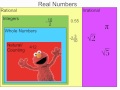
Understanding the Real Number System: Key Concepts and Definitions
Explore the fundamentals of the real number system, including natural numbers, whole numbers, and irrational numbers.

Introduction to Probability and Statistics: Key Concepts and Terminology
In this video, Dr. Gajendra Purohit introduces the fundamentals of probability and statistics, covering essential terminology, types of events, and key concepts such as random experiments, sample space, and probability calculations. The session aims to provide a solid foundation for students preparing for advanced mathematics exams.
Comprehensive Guide to Core Data Structures and Algorithms
Explore foundational concepts in data structures, computational complexity, and advanced algorithms. This guide covers arrays, linked lists, stacks, queues, priority queues, union-find, trees, hash tables, Fenwick trees, suffix arrays, balanced BSTs, and indexed priority queues, with insights on implementation and performance optimization.
Most Viewed Summaries

A Comprehensive Guide to Using Stable Diffusion Forge UI
Explore the Stable Diffusion Forge UI, customizable settings, models, and more to enhance your image generation experience.

Kolonyalismo at Imperyalismo: Ang Kasaysayan ng Pagsakop sa Pilipinas
Tuklasin ang kasaysayan ng kolonyalismo at imperyalismo sa Pilipinas sa pamamagitan ni Ferdinand Magellan.

Mastering Inpainting with Stable Diffusion: Fix Mistakes and Enhance Your Images
Learn to fix mistakes and enhance images with Stable Diffusion's inpainting features effectively.

Pamamaraan at Patakarang Kolonyal ng mga Espanyol sa Pilipinas
Tuklasin ang mga pamamaraan at patakaran ng mga Espanyol sa Pilipinas, at ang epekto nito sa mga Pilipino.

How to Install and Configure Forge: A New Stable Diffusion Web UI
Learn to install and configure the new Forge web UI for Stable Diffusion, with tips on models and settings.

If you found this summary useful, consider buying us a coffee. It would help us a lot!